
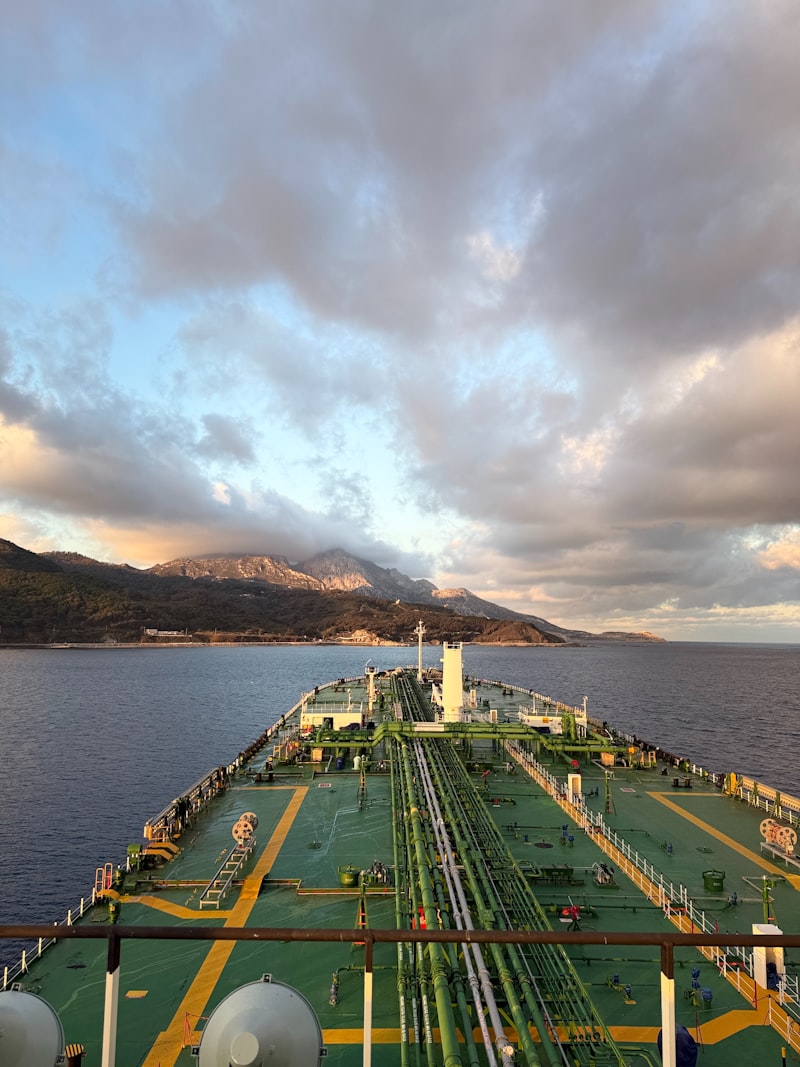
The United Arab Emirates left OPEC and OPEC+ effective 1 May, ending six decades of membership and theoretically unlocking 1.5 million barrels per day of spare production capacity. For South Africa, an oil importer battling fuel prices driven by the Iran conflict, the question is whether any of that oil will bring relief.
The short answer: not yet.
Why it matters
South Africa imports virtually all its crude oil. Brent crude traded above $111 per barrel on 29 April, up 82% since January, driven by the Iran war and the partial blockade of the Strait of Hormuz. The government has already committed R17.2 billion in fuel levy relief to cushion consumers. Any structural shift in global supply matters directly to what South Africans pay at the pump.
The case for optimism
The UAE pumped about 2.37 million barrels per day in March against a sustainable capacity above 4 million. ADNOC, the state oil company, targets 5 million barrels per day by 2027. Free of OPEC quotas, the UAE can now ramp up production to meet that target.
Over the medium term, a less disciplined OPEC structurally favours oil-importing nations. More supply from the UAE and potentially other members who follow its lead could erode the price floor that has kept crude elevated.
The case for caution
Ramping up production takes months, not days. Pipeline infrastructure, refinery scheduling and shipping logistics all impose lag times. Analysts at Goldman Sachs estimate it would take 6 to 12 months for additional UAE barrels to materially shift the global supply balance.
More critically, the binding constraint on oil prices is not OPEC quotas but the Iran war. The Strait of Hormuz remains partially blocked. Until that changes, additional production capacity is theoretical supply, not actual barrels on the water.
There is also a risk of an OPEC price war. If Saudi Arabia responds to the UAE’s exit by flooding the market to punish defection, prices could swing violently in either direction, creating the kind of volatility that makes planning impossible for importers like South Africa.
What happens next
South Africa’s fuel levy decision on 5 May will determine how much of the global price is passed through to consumers in June. The UAE’s exit changes the medium-term outlook but not the May fuel price. The immediate crisis remains the Iran conflict and whether the Hormuz blockade eases.
For South Africa, the UAE’s move is a reason for cautious hope, not celebration. The barrels exist. They just have not arrived yet.