
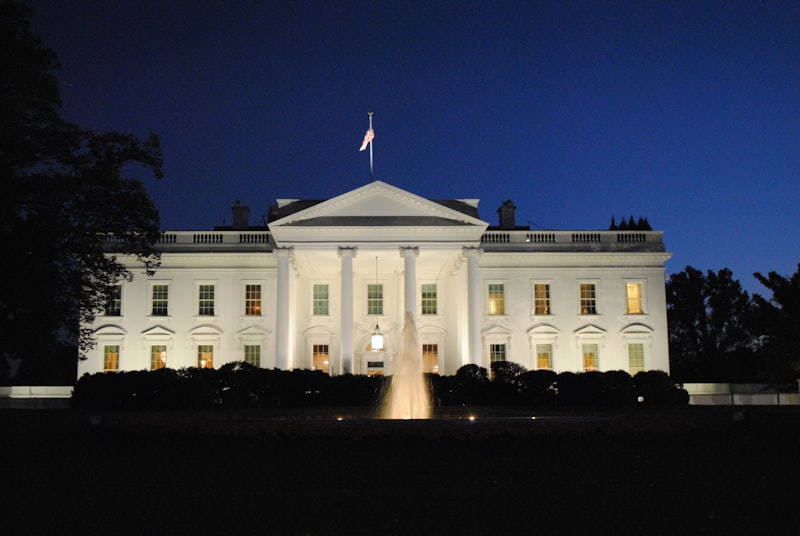
King Charles III sat across from President Donald Trump at a state dinner in the White House East Room on Monday night, the centrepiece of the first British royal state visit to Washington in 19 years. The pomp came with substance: a pharmaceutical trade deal granting zero US tariffs on UK-made medicines for at least three years.
Why it matters: The UK-US deal demonstrates what bilateral trade engagement with the current White House can achieve. South Africa, which has secured no equivalent arrangement, faces AGOA expiry in eight months and Section 301 hearings opening on the same day as the state dinner.
What the UK secured
London and Washington finalised the pharma agreement on 2 April, ahead of the royal visit. British-manufactured medicines will enter the US market tariff-free for a minimum of three years. The deal sits within a broader trade corridor worth $340 billion annually, with $1.3 trillion invested between the two economies.
King Charles is scheduled to address a joint meeting of Congress on Tuesday, only the second British monarch to do so after Queen Elizabeth in 1991.
The SA contrast
South Africa’s trade relationship with the US rests almost entirely on AGOA, a programme Trump extended only through December 2026. No bilateral trade deal exists. Section 301 hearings investigating South Africa for alleged unfair trade practices began on 28 April.
The UK pursued a direct, head-of-state-level approach to securing market access. South Africa’s engagement has been through multilateral frameworks and programme renewals rather than bespoke agreements.
What both sides say
Proponents of South Africa’s multilateral approach argue that AGOA provides broader access than a bilateral deal could, covering thousands of product lines across multiple sectors. They note that bilateral negotiations with Washington require concessions on issues like intellectual property and agricultural subsidies that could harm domestic industry.
Critics counter that relying on a programme subject to annual renewal and political whim is inherently fragile. They point to the UK deal as evidence that Washington rewards direct engagement and that South Africa’s diplomatic caution is costing it market access.
What happens next
The Section 301 hearings will continue through May. Their findings could influence whether AGOA is renewed beyond December or replaced with sector-specific arrangements. South Africa’s Trade and Industry Minister has signalled openness to bilateral discussions, but no formal negotiation framework has been established.