
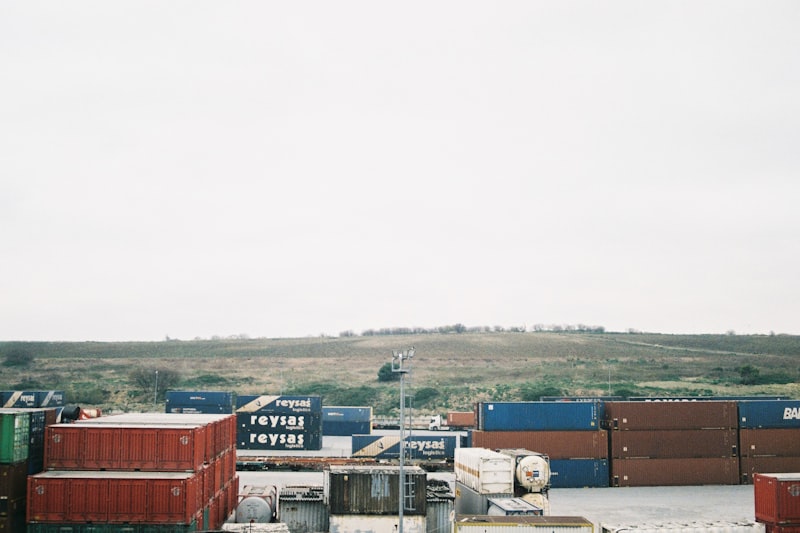
The United States Trade Representative opens Section 301 hearings on 28 April, investigating South Africa and 59 other countries for what Washington calls unfair trade practices. Countries that cannot resolve flagged issues face additional tariffs or fees.
Why it matters: An estimated 500,000 South African jobs depend on AGOA’s duty-free access to the US market, concentrated in the automobile and agricultural sectors. Any negative finding could accelerate the programme’s end or trigger punitive tariffs before its December expiry.
What is at stake
President Trump signed a law in February extending AGOA through 31 December 2026, retroactive from 30 September 2025. South Africa remains on the eligible list, but with no bilateral trade deal secured, billions of rands in exports remain exposed.
Approximately 22% of South African exports to the United States benefit from AGOA. The automobile industry, centred in the Eastern Cape and Gauteng, is the largest beneficiary. Agricultural exporters, particularly citrus and wine producers in the Western Cape, also rely on the preferential access.
The tariff landscape
South Africa already faces a universal 10% tariff on goods not covered by existing exemptions. The “Liberation Day” tariffs declared earlier in 2026 were struck down, reverting most trade to the baseline rate. Certain minerals, chemicals and foodstuffs receive separate treatment under Section 232 provisions.
The Section 301 investigation adds a new layer. If the USTR finds evidence of unfair practices, additional targeted tariffs could be imposed on specific sectors.
Pressure on the rand
The rand traded at R16.53 against the dollar this week, weakened by elevated oil prices and a stronger greenback. South Africa imports most of its fuel, leaving it doubly exposed to global commodity and currency swings. Brent crude remains above $108 per barrel following the collapse of Iran peace talks.
The numbers in context
South Africa’s total trade with the United States was worth approximately R180 billion in 2025. Losing AGOA access would add tariffs of up to 35% on some goods, making South African products uncompetitive against rivals in Southeast Asia and Latin America.
The hearings are expected to continue through May, with findings likely before the programme’s December deadline.