
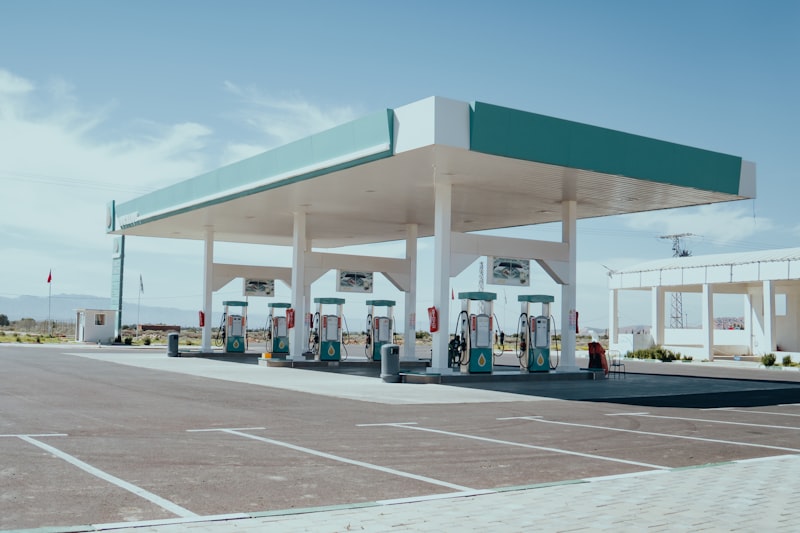
National Treasury will reduce the general fuel levy on diesel to zero from 6 May, the most aggressive intervention yet in South Africa’s ongoing battle against war-driven fuel prices.
The relief for diesel rises by 93 cents to R3.93 per litre, eliminating the levy entirely. The existing R3-per-litre reduction on petrol will also be extended until 2 June. According to Treasury, the total cost from April to June is R17.2 billion in foregone tax revenue.
Why it matters
The zero diesel levy directly affects food transport, farming and logistics costs that feed into the price of nearly everything South Africans buy. Diesel powers the trucks that move goods from ports and farms to supermarket shelves.
How it works
From 6 May to 2 June, the general fuel levy for petrol remains at R1.10 per litre, down from R4.10. The diesel levy drops from R0.93 per litre to R0.00. Treasury projects petrol will still rise by roughly R2 per litre in May due to the underlying increase in global crude prices, but the levy relief absorbs what would have been a far steeper hike.
The phase-out plan
Relief will not last indefinitely. From 3 June to 30 June, the petrol reduction halves to R1.50 per litre and diesel relief drops to R1.96 per litre. By July, the temporary measures end entirely unless extended again.
Treasury says the package is designed to be revenue-neutral, funded through a combination of higher-than-expected tax receipts and underspending across government departments.
The pressure behind the decision
Brent crude traded above $111 per barrel on 29 April, driven by the ongoing Iran conflict and the blockade of the Strait of Hormuz. Without the levy relief, the Automobile Association estimated the May petrol price would have risen by more than R5 per litre, a figure that would have pushed inflation well above the Reserve Bank’s target range.
The Road Freight Association welcomed the diesel announcement, calling it “a lifeline for the logistics sector,” but warned that the June phase-out timeline is too aggressive if the Iran conflict continues.
Finance Minister Enoch Godongwana acknowledged the fiscal risk. “These are extraordinary measures for extraordinary circumstances,” he said in a statement. “They cannot become permanent without permanent funding.”