
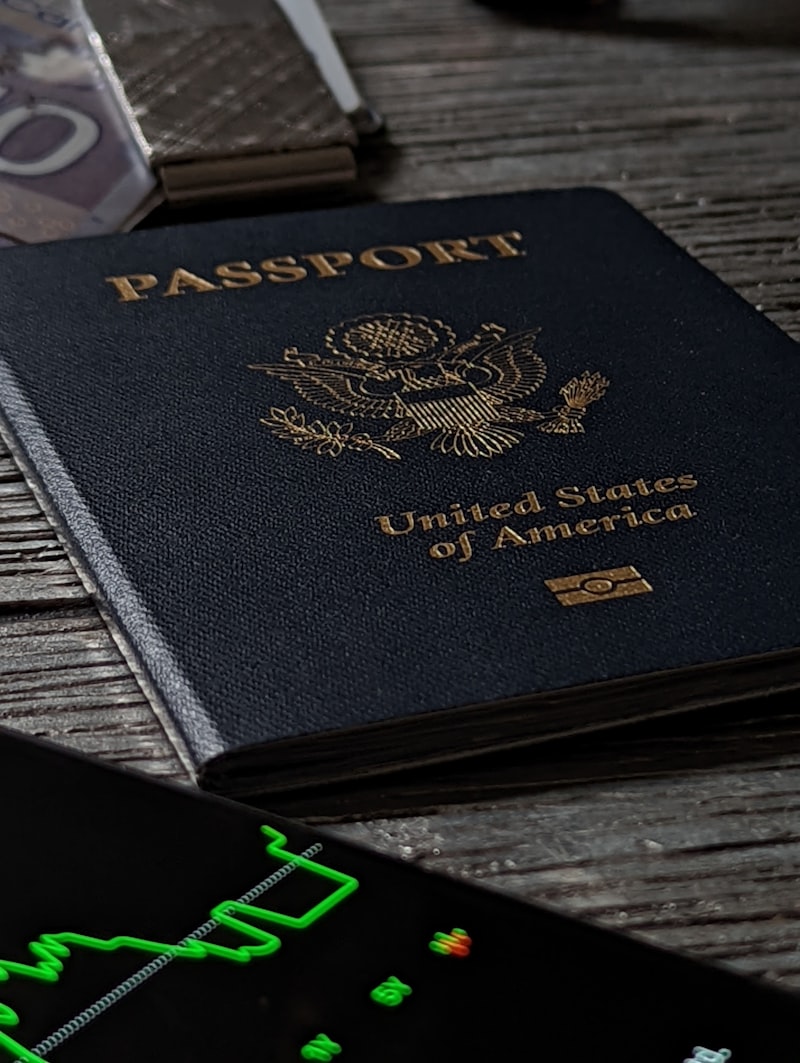
A federal judge in Maryland has ordered US Citizenship and Immigration Services to restart processing on 83 permanent residency applications that the agency froze under President Trump’s expanded travel ban.
Chief Judge George L. Russell III of the US District Court for the District of Maryland issued the preliminary injunction on 24 April. The applicants are immigrants already living in the United States who hold work permits or other lawful status and applied for green cards before the processing pause took effect.
Why it matters
The ruling is the latest in a series of federal court decisions finding that USCIS overstepped its authority when it stopped adjudicating immigration applications from nationals of 39 countries. Hundreds of thousands of people remain in limbo nationwide.
The legal reasoning
“USCIS does not have discretion to decide not to adjudicate at all,” Judge Russell wrote. He found that the agency’s blanket pause amounted to an unlawful, categorical, and indefinite refusal to do its statutory job.
The 39 countries include nations subject to full travel bans and those facing partial restrictions. Some were listed for alleged terrorism connections. Others, including Senegal and Tonga, were included over high visa-overstay rates.
Scope and limits
The injunction covers only the 83 Maryland-based plaintiffs. Judge Russell declined to set a 30-day processing deadline, noting that the cases are at different stages. Some applicants have completed biometrics and await final approval. Others filed their applications shortly before the lawsuit.
Similar rulings have emerged from federal courts in other jurisdictions, creating a growing body of precedent against the processing freeze. The administration has not indicated whether it will appeal.
Broader immigration landscape
The decision lands during a week of high-stakes immigration litigation. On 29 April, the Supreme Court heard oral arguments in two cases that could strip Temporary Protected Status from more than 350,000 Haitian and Syrian nationals. Together, these proceedings are testing the legal limits of executive power over immigration processing.