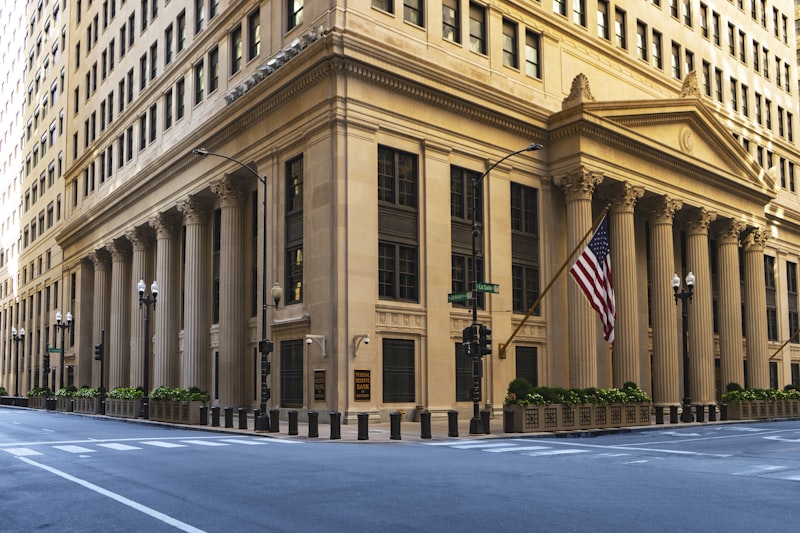
The Federal Reserve held its benchmark interest rate steady at a range of 3.5% to 3.75% on 29 April, the third consecutive pause of 2026. The decision was Jerome Powell’s last as chair of the central bank.
Why it matters
The Fed sets interest rates that affect every mortgage, car loan and credit card in the United States. The hold signals that policymakers remain unwilling to cut rates while inflation runs above target, even as the job market softens.
Inflation pressure
The Consumer Price Index rose to 3.3% on an annual basis in March, the highest since May 2024 and well above the Fed’s 2% target. Energy costs driven by the Iran conflict and Hormuz shipping disruptions account for much of the increase.
Powell said in his press conference that the committee remains “data-dependent” and will not cut rates until there is sustained evidence that inflation is returning to target. Economists at EY-Parthenon expect at most one rate cut this year, likely in December.
Warsh advances
Hours before the Fed’s announcement, the Senate Banking Committee voted to advance Kevin Warsh as President Trump’s nominee for Fed chair. Senator Thom Tillis, who had blocked the nomination over the Justice Department’s criminal probe of Powell, lifted his hold after the investigation was dropped on 26 April.
A full Senate floor vote is expected the week of 11 May. If confirmed, Warsh would take the chair from the June FOMC meeting onward.
What happens next
The next FOMC meeting is scheduled for 16 to 17 June. It would be the first under Warsh’s leadership if the Senate confirms him on schedule. Markets currently price in no rate change at that meeting, with the earliest expected cut in September or December depending on how quickly energy prices stabilise.