
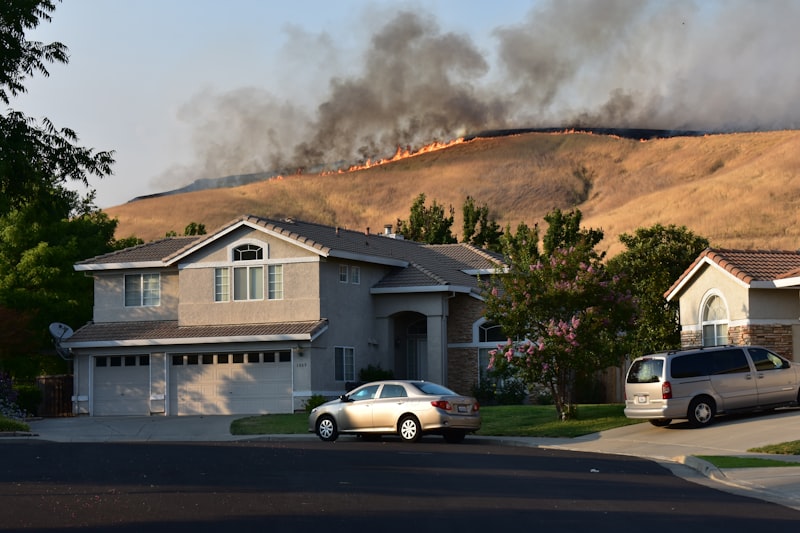
Two wildfires in southeast Georgia have burned more than 55,000 acres and destroyed at least 120 homes, making this the most destructive wildfire event in the state’s recorded history. Governor Brian Kemp declared a 30-day state of emergency covering 91 of Georgia’s 159 counties.
Why it matters: Georgia is not typically associated with catastrophic wildfire. The scale of destruction signals that historic drought across the American southeast has created fire conditions usually seen in the western states, threatening communities with little experience or infrastructure for this kind of emergency.
The fires
The Highway 82 Fire in Brantley County ignited on 20 April when a foil balloon struck live power lines. It has burned approximately 22,600 acres and destroyed about 90 homes. The fire was 6 percent contained as of Monday morning.
The Pineland Road Fire in neighbouring Clinch County is the larger of the two at nearly 30,000 acres. It was 10 percent contained. The rural area sits midway between Georgia’s coast and the Okefenokee Swamp.
Drought and conditions
The Georgia Environmental Protection Division declared a statewide Level 1 drought response on Monday. A total of 146 Georgia counties are now designated as primary natural disaster areas due to the drought.
High winds have repeatedly pushed the fire lines beyond containment efforts. According to the Georgia Forestry Commission, the Highway 82 Fire is now larger than Manhattan and still spreading.
Response
The Georgia National Guard has deployed to assist firefighting efforts. FEMA is sending federal money to help battle the flames. Hundreds of families are sheltering in emergency facilities across the affected counties.
Agriculture Commissioner Tyler Harper issued a burn ban covering all 91 emergency counties. Fire officials warned residents across southern Georgia to remain prepared for evacuation orders as conditions shift.
What happens next
No significant rainfall is forecast for the region in the coming week. Fire officials say containment will depend on wind direction and humidity levels. The Forestry Commission has requested additional federal firefighting resources.