
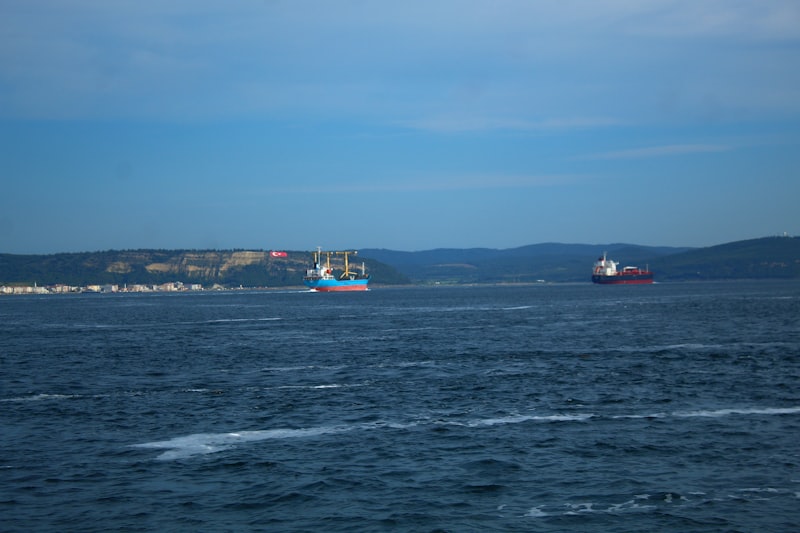
Iran gave the United States a new proposal on Sunday to reopen the Strait of Hormuz and end the war, deferring nuclear negotiations to a second phase. The offer was delivered through Pakistani mediators after direct talks collapsed last week.
Why it matters: The Hormuz blockade has disrupted roughly 20 percent of global oil trade for nearly nine weeks. Brent crude sat at $108 per barrel on Monday, up nearly 50 percent since the war began on 28 February. US petrol averaged $4.11 per gallon.
What Iran proposed
Tehran’s offer has two stages. In the first, Iran would reopen the strait in exchange for the US lifting its naval blockade and ending military operations. The second phase, on an unspecified timeline, would address Iran’s nuclear programme.
The proposal also included a mechanism for collecting tolls on vessels passing through the strait, with Iran seeking Oman’s support. No concessions on uranium enrichment were included.
The US position
Washington has demanded Iran suspend enrichment for at least a decade and remove its stockpile of enriched uranium from the country. President Trump has described nuclear dismantlement as a precondition for any broader deal, not a second-phase item.
The White House confirmed it received the proposal but gave no indication it would accept terms that leave the nuclear question open.
Why talks broke down
Trump cancelled plans last week to send envoys Steve Witkoff and Jared Kushner to Islamabad for indirect talks with Iran, citing “tremendous infighting and confusion” within Tehran’s leadership. Iran’s foreign minister, meanwhile, met with Russian President Vladimir Putin on Monday, adding another diplomatic track.
Germany’s reaction
German Chancellor Friedrich Merz said Iran was “humiliating” the US by offering terms that sidestep the core nuclear dispute. European allies have urged Washington to engage but have expressed frustration at the lack of progress.
What happens next
The proposal faces long odds in Washington. If rejected, the Hormuz closure will continue into May, pushing oil prices higher and deepening the fuel crisis across developing nations in Africa and South Asia that depend on imported energy. The UN’s Food and Agriculture Organisation has warned that a prolonged blockade could trigger a global food crisis through disrupted fertiliser supply chains.