
The Electoral Commission of South Africa must run the 2026 municipal elections with R1.6 billion less than it needs. The IEC’s budget allocation for 2026-27 stands at R3.1 billion, while estimated expenditure will reach R4.75 billion.
Why it matters: underfunded elections risk delayed results, understaffed voting stations, and weakened public trust in the outcome.
The numbers
The commission plans to bridge the gap using accumulated savings from prior financial years. It has already deployed more than 830 municipal outreach coordinators and launched a schools democracy programme running from April to September.
A total of 508 political parties now appear on the national register. That is more than double the number that contested the 2021 local government elections, reflecting the fragmentation of South Africa’s political landscape since the 2024 national vote.
Voter registration
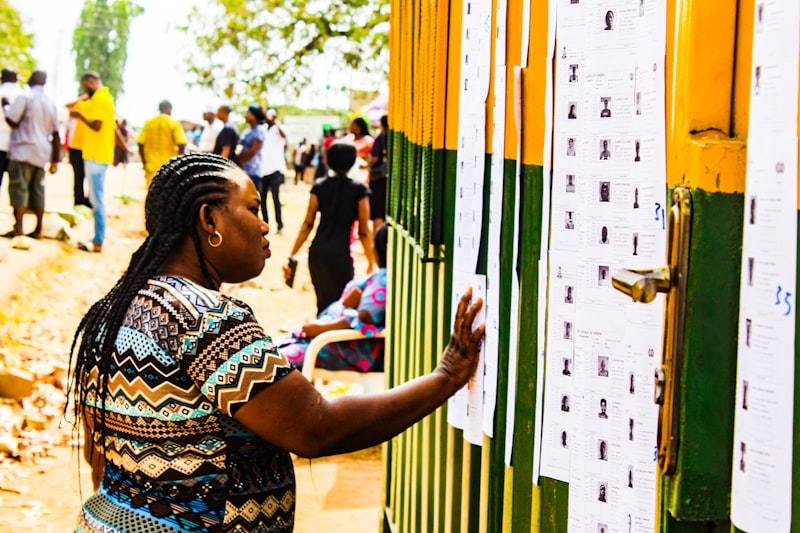
The IEC will open voter registration on 20-21 June 2026. More than 200,000 new voters have already signed up through the online registration portal since November 2025. The commission launched its “Get up. Show up. Vote.” campaign to drive participation.
The IEC plans to deploy a 70,000-strong workforce on election day. Elections must be held between 2 November 2026 and 1 February 2027, a 90-day window prescribed by law.
Risks already flagged
IEC chairperson Mosotho Moepya told Parliament earlier this month that KwaZulu-Natal poses the greatest risks, with four municipalities, including eThekwini Metro, still lacking finalised ward boundaries.
Voter apathy and political violence in KZN remain concerns. The Moerane Commission previously found that most political killings in the province were linked to competition over municipal tenders and resources.
The commission says its emphasis on rebuilding public trust and strengthening technology will be central to its preparations. Whether the savings will stretch far enough to cover a 508-party contest remains to be seen.