
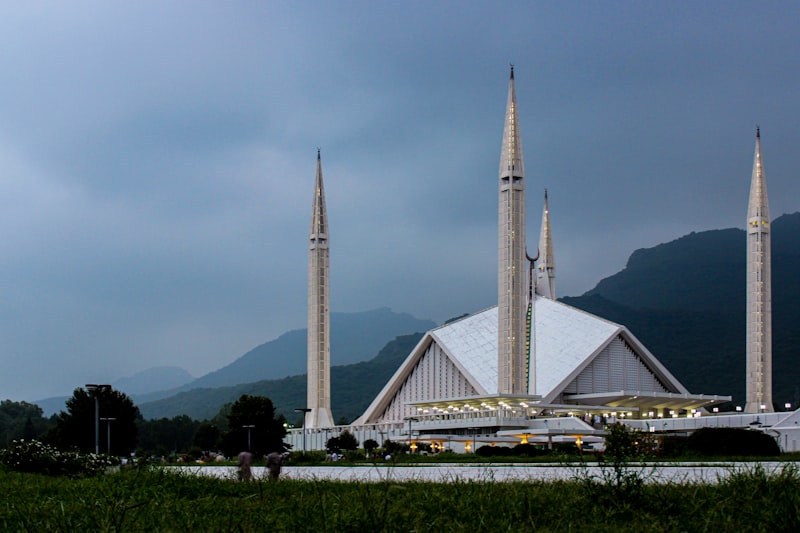
The White House said on Thursday that envoys Steve Witkoff and Jared Kushner would travel to Islamabad for a second round of ceasefire negotiations with Iran. Hours later, Iran’s foreign ministry spokesperson Esmaeil Baghaei posted on X that “no meeting is planned to take place between Iran and the US.”
Why it matters: The disconnect between Washington and Tehran signals that the ceasefire announced two weeks ago remains fragile. Brent crude sits above $100 per barrel, and any collapse in talks would push global oil prices higher, hitting fuel-importing nations hardest.
What happened this week
President Trump unilaterally extended the ceasefire on Wednesday, hours before it was set to expire, without announcing a new end date. Iran’s foreign ministry dismissed the extension as “meaningless,” saying the US naval blockade of Iranian ports violates the terms of the original deal.
Iranian Foreign Minister Abbas Araghchi arrived in Islamabad late on Friday to meet Pakistani Foreign Minister Ishaq Dar. Pakistan has positioned itself as a neutral venue, but the presence of Araghchi without confirmation of US talks adds uncertainty.
Why the blockade is the sticking point
Iran has demanded the lifting of the US naval presence around the Strait of Hormuz as a precondition for returning to direct negotiations. Washington has refused, arguing the blockade prevents Iranian weapons transfers and enforces sanctions compliance.
The impasse has kept roughly 20% of global oil supply under threat. Iran seized two commercial vessels transiting the strait this week, and Brent crude crossed $100 per barrel for the first time since the conflict began.
The South African impact
South Africa imports over 60% of its crude oil requirements, and the Hormuz disruption has driven the basic fuel price sharply higher. The Department of Mineral and Petroleum Resources indicated this week that diesel could face a record R8-per-litre increase in May if current conditions persist.
The rand’s relative stability against the dollar has offered limited protection. Analysts at Absa estimated that a sustained $100-plus Brent price would add 0.4 percentage points to South African headline inflation over the next quarter.
What to watch
The Witkoff-Kushner delegation is now expected in Islamabad on Sunday rather than Saturday. Whether Araghchi remains in Pakistan for a potential meeting or departs beforehand will be the first signal of whether this round of diplomacy has any traction.