
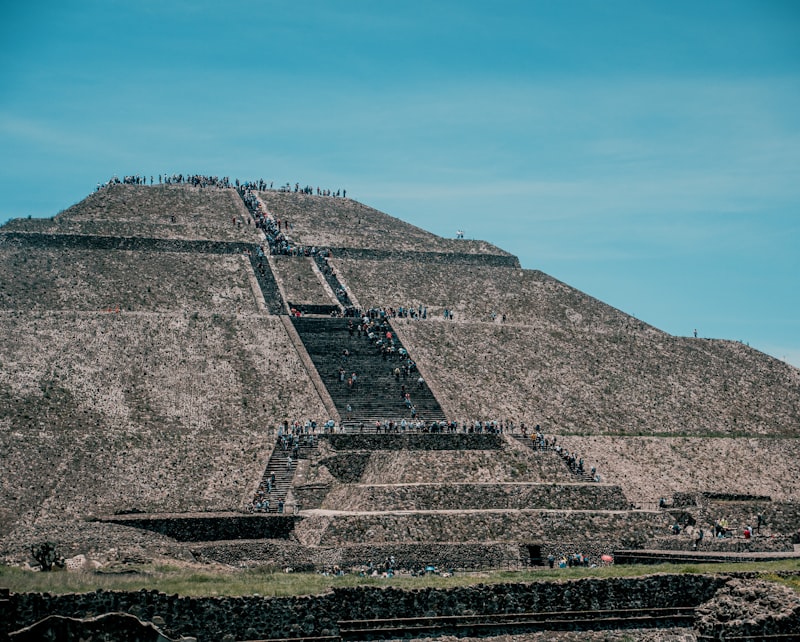
A gunman opened fire from the top of the Pyramid of the Moon at Mexico’s Teotihuacan archaeological site on 20 April, killing a Canadian tourist and injuring 13 others before taking his own life. The attack has forced Mexico to overhaul security at tourist sites less than two months before it co-hosts the FIFA World Cup.
Why it matters
Mexico expects millions of visitors for the World Cup, which it co-hosts with the United States and Canada from June 2026. The shooting at one of the country’s most visited landmarks raises immediate questions about the security infrastructure protecting soft targets during the tournament.
What happened
The shooter, identified as 27-year-old Julio César Jasso Ramírez, opened fire shortly after 11:30 local time. He had visited the archaeological zone several times in the days before the attack, staying in nearby hotels. He acted alone and had no ties to drug cartels or criminal organisations.
Police found a T-shirt bearing a phrase associated with the 1999 Columbine school massacre, books about Columbine in his backpack, and handwritten notes indicating he believed he was guided by “supernatural entities.” Officials described the attack as premeditated.
The victim was a Canadian woman visiting the site as a tourist. Her name has not been publicly released at the request of her family. Of the 13 injured, at least four were foreign nationals.
Security response
President Claudia Sheinbaum ordered the deployment of additional National Guard troops to archaeological sites and major tourist destinations across the country. Security will be strengthened at all World Cup host cities and venues, in coordination with the Ministry of Culture.
The Interior Ministry announced a review of access protocols at open-air archaeological sites, which currently have minimal screening for visitors. Teotihuacan, located about 50 kilometres northeast of Mexico City, receives approximately 2.6 million visitors per year.
World Cup preparations
The tournament begins on 11 June with matches in Mexico City, Guadalajara and Monterrey among 16 host cities across three countries. FIFA said it is working with Mexican authorities on security plans but declined to comment on specific measures.
The shooting adds to existing concerns about safety infrastructure. Mexico’s tourism sector generates more than $30 billion annually, and officials have emphasised that the attack was an isolated act with no connection to organised crime.