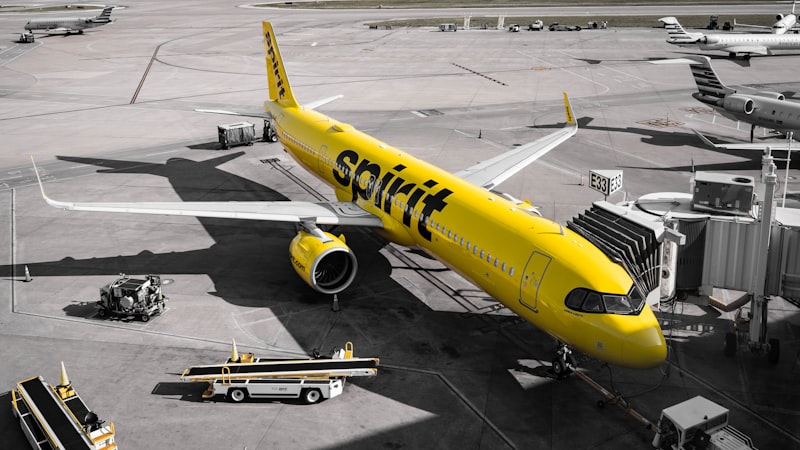
The Trump administration is finalising a $500 million rescue package for Spirit Airlines that could make the federal government the carrier’s majority owner. Sources told CNN and NBC News a deal could be announced as early as Thursday.
Why it matters
If Spirit shuts down, it would be the first major US airline liquidation in 25 years, eliminating 14,000 jobs and reducing competition on budget routes across the country. If the bailout proceeds, it would mark the first time the US government has taken a controlling stake in an airline since the post-September 11 rescue era.
How Spirit got here
Spirit filed for its second Chapter 11 bankruptcy in August 2025 after years of losses that began during the pandemic. By late February 2026, creditors had agreed to a restructuring plan that would have cleared billions in obligations and shrunk the fleet.
Then the Iran war pushed jet fuel to $4.32 per gallon, nearly double the restructuring estimate. Spirit’s projected operating margin collapsed from 0.5% to negative 20%.
The deal on the table
The proposed $500 million financing package would come in exchange for warrants giving the government up to 90% ownership of the new entity after Spirit emerges from bankruptcy. President Trump said the government “should help that one out,” pointing to the jobs at stake.
The opposition
Rival carriers are pushing back hard. FAA Administrator Bryan Bedford said, “They can’t have any of our money.” United CEO Scott Kirby called the bailout idea fundamentally unfair to airlines that managed their finances responsibly.
Critics argue that subsidising a chronically unprofitable carrier distorts the market and rewards poor management. Supporters counter that wartime fuel spikes, not mismanagement, destroyed Spirit’s restructuring plan.
What happens next
If no deal materialises, Spirit faces liquidation as early as this week. The bankruptcy court is expected to rule on the government financing proposal within days. Congressional Democrats have called for hearings on the terms of any equity stake.