
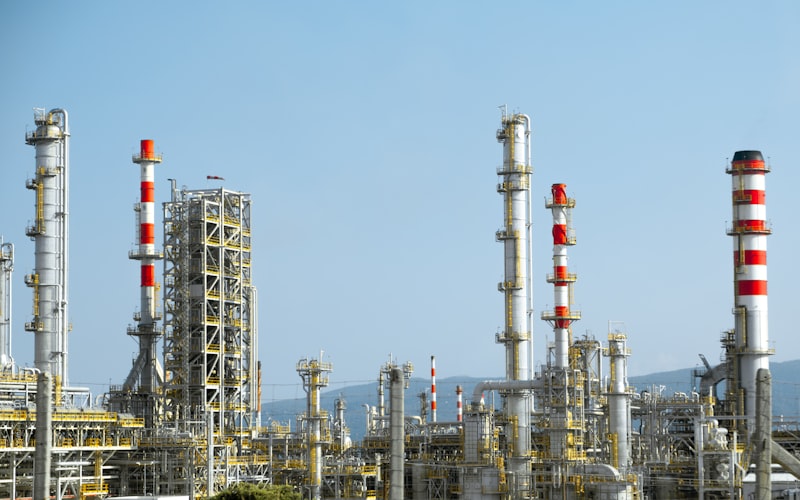
Dangote Petroleum Refinery is preparing what would be the largest initial public offering in African history. The company plans to raise up to $5 billion by listing across multiple African stock exchanges between June and July 2026.
Why it matters
Africa’s largest oil refinery is valued at between $40 billion and $50 billion. A successful listing would be a landmark for African capital markets, which have long struggled to attract the scale of investment that flows through London, New York or Hong Kong. It would also test whether African exchanges can handle a cross-border offering of this size.
The deal
Aliko Dangote, Africa’s richest man, plans to float between 5% and 10% of the refinery while retaining majority control. Stanbic IBTC Capital, Vetiva Advisory Services and FirstCap have been appointed to manage the process.
A prospectus submission to Nigeria’s Securities and Exchange Commission is expected this month, followed by a national retail roadshow and the launch of an electronic subscription platform in May.
The dollar dividend structure
In a feature designed to attract investors wary of naira volatility, subscribers will buy shares in naira but can elect to receive dividends in US dollars. The refinery projects $6.4 billion in annual export revenue, providing the dollar income stream to back this commitment.
Dangote told media he wants “every African to own a share” in the refinery, signalling an intention to prioritise retail investors alongside institutional buyers.
Continental significance
The 650,000 barrel-per-day refinery near Lagos has already reduced Nigeria’s dependence on imported fuel. Before it came online, Africa’s largest oil producer was importing nearly all its refined petroleum products.
The pan-African listing structure could set a template for future cross-border offerings on the continent. Several African exchanges, including Johannesburg’s JSE, have been working to simplify cross-listing rules to attract exactly this kind of deal.
The timing
The IPO arrives as oil prices surge past $100 per barrel due to the Strait of Hormuz crisis, making refining margins exceptionally profitable. Dangote’s refinery, which processes Nigerian crude and does not depend on Gulf imports, is well-positioned to benefit from the supply disruption.