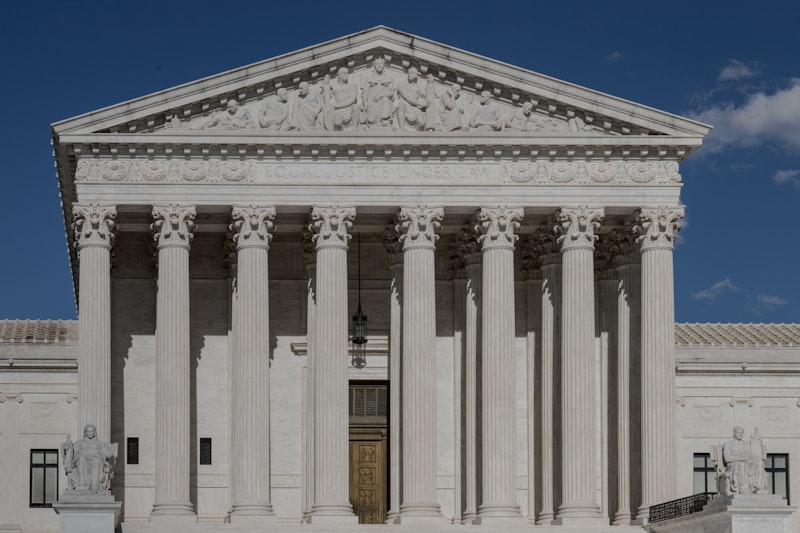
The US Supreme Court announced on 20 April that it will hear a case testing whether Colorado can require religious preschools to admit children of same-sex couples in exchange for public funding. The case, St. Mary Catholic Parish v. Roy, sets up a significant First Amendment fight over where religious liberty ends and nondiscrimination begins.
Why it matters
The ruling could reshape how religious organisations participate in taxpayer-funded programmes across the country. Dozens of states run similar early childhood programmes with nondiscrimination conditions attached.
The programme
Colorado voters approved a ballot measure in 2020 creating a universal preschool programme. It provides up to 15 hours of free weekly preschool for every four-year-old in the state. Both public and private providers can participate, including faith-based schools.
The catch: all participating providers must comply with a nondiscrimination provision. No provider may consider sexual orientation or gender identity when making admissions decisions.
The dispute
The Archdiocese of Denver, which oversees 34 Catholic preschools, asked the state for an exemption. It wanted to admit only families who adhere to Catholic teachings, including on gender identity and sexual orientation. Colorado’s Department of Early Childhood refused.
Two Catholic parishes and a family sued, arguing the nondiscrimination rule violates the First Amendment’s free exercise clause by forcing them to choose between their faith and public funding.
The lower court ruling
The 10th Circuit Court of Appeals unanimously upheld Colorado’s position. The court found the nondiscrimination provision “exists in harmony with the First Amendment” because it applies equally to every participating preschool, regardless of religious affiliation.
What happens next
The Supreme Court’s brief order noted it will not consider whether to overturn Employment Division v. Smith, the 1990 precedent governing when religious exemptions are required from neutral laws. Oral arguments are expected during the 2026-2027 term, with a decision likely in 2027.