
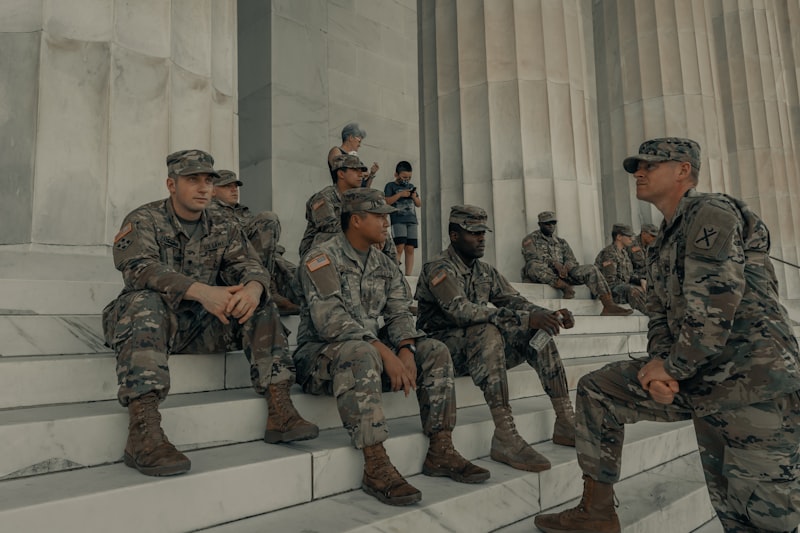
Defence Secretary Pete Hegseth announced on 21 April that the US military will no longer require troops to get the annual flu vaccine. The mandate, in place since the 1950s, applied to roughly 1.3 million active-duty personnel and more than 750,000 Guard and Reserve members.
Why it matters
The flu vaccine is the first routine immunisation the Pentagon has made optional. Military health policy has long treated mandatory vaccination as essential to force readiness, particularly aboard ships, in barracks and during deployments where one sick soldier can sideline dozens.
The case for dropping it
Hegseth said the blanket mandate was “overly broad and not rational” and framed the change as a win for medical autonomy and religious freedom. The memo takes effect immediately, though individual branches have 15 days to request exceptions for specific operational needs.
Supporters point to the COVID-19 vaccine mandate as a cautionary tale. More than 8,400 service members were discharged for refusing the COVID-19 shot before the requirement was rescinded in 2023. Of those, only about 150 have rejoined.
The case for keeping it
Military health experts warn that influenza can spread rapidly in the close quarters of ships and barracks. According to the Centres for Disease Control and Prevention, the flu vaccine prevents millions of illnesses each year across the general population.
Senator Jack Reed, ranking member of the Armed Services Committee, called the decision “reckless” and said readiness should not be subordinated to political signalling.
What happens next
The vaccine remains available to any service member who wants it. Each branch now has two weeks to decide whether to request an exception for its own personnel, which could produce uneven rules across the Army, Navy, Air Force and Marines. The Pentagon has not indicated whether other routine military vaccines could follow.