
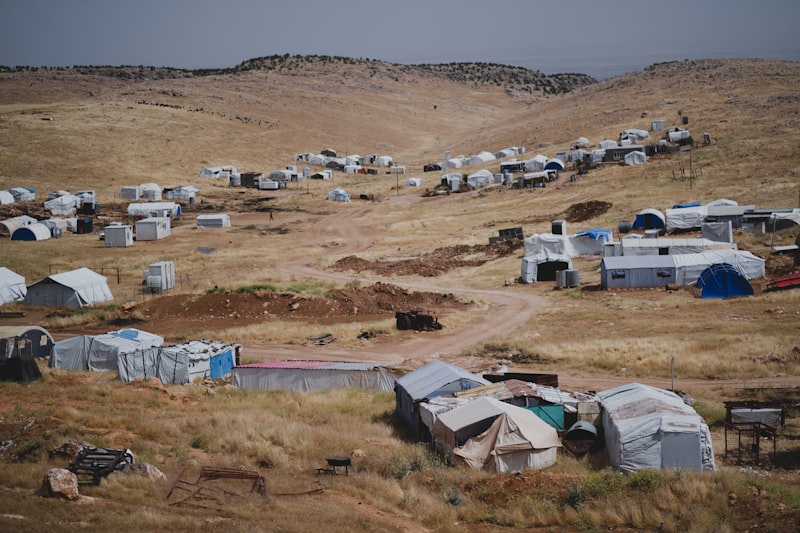
Sudan’s civil war has entered its fourth year. The fighting that erupted on 15 April 2023 between the Sudanese Armed Forces and the Rapid Support Forces has produced one of the worst humanitarian crises in the world, with 34 million people now in urgent need.
Why it matters: Sudan is the world’s largest displacement crisis, yet it receives a fraction of the international attention and funding directed at other conflicts. The gap between what is needed and what is pledged determines whether millions face famine.
The human cost
Some 14 million people have been forced from their homes. Nine million are displaced within Sudan. Another 4.4 million have crossed into neighbouring countries including Chad, Egypt, and South Sudan.
Drone strikes have become the deadliest threat to civilians. According to UN data, drones account for 80% of all child casualties in the conflict. At least 245 children were killed or injured by drone attacks in the first three months of 2026. Nearly 700 civilians died in drone strikes during the same period.
Hunger as a weapon
Over 61% of Sudan’s population is now acutely food insecure. Millions of families have access to one meal a day or fewer. Many have resorted to boiling leaves or eating animal feed.
Both warring parties have been accused of blocking humanitarian access to areas under the other’s control. The deliberate use of starvation as a tool of war is a violation of international humanitarian law.
The funding gap
Donors meeting in Berlin on 15 April pledged 1.3 billion euros, equivalent to $1.5 billion. The UN’s humanitarian plan for 2026 calls for nearly $3 billion to reach 20 million people.
The pledges cover roughly half of what is needed. Previous pledges for Sudan have been slow to materialise, with aid agencies reporting significant shortfalls between promises and disbursements.
What the world owes Sudan
There is no legitimate defence for the targeting of children by drone strikes. There is no legitimate defence for the deliberate starvation of civilians. The international community’s response has been inadequate.
The conflict continues because neither side faces sufficient consequences for its conduct. Until external pressure matches the scale of the suffering, Sudan’s people will continue to bear the cost of the world’s indifference.