
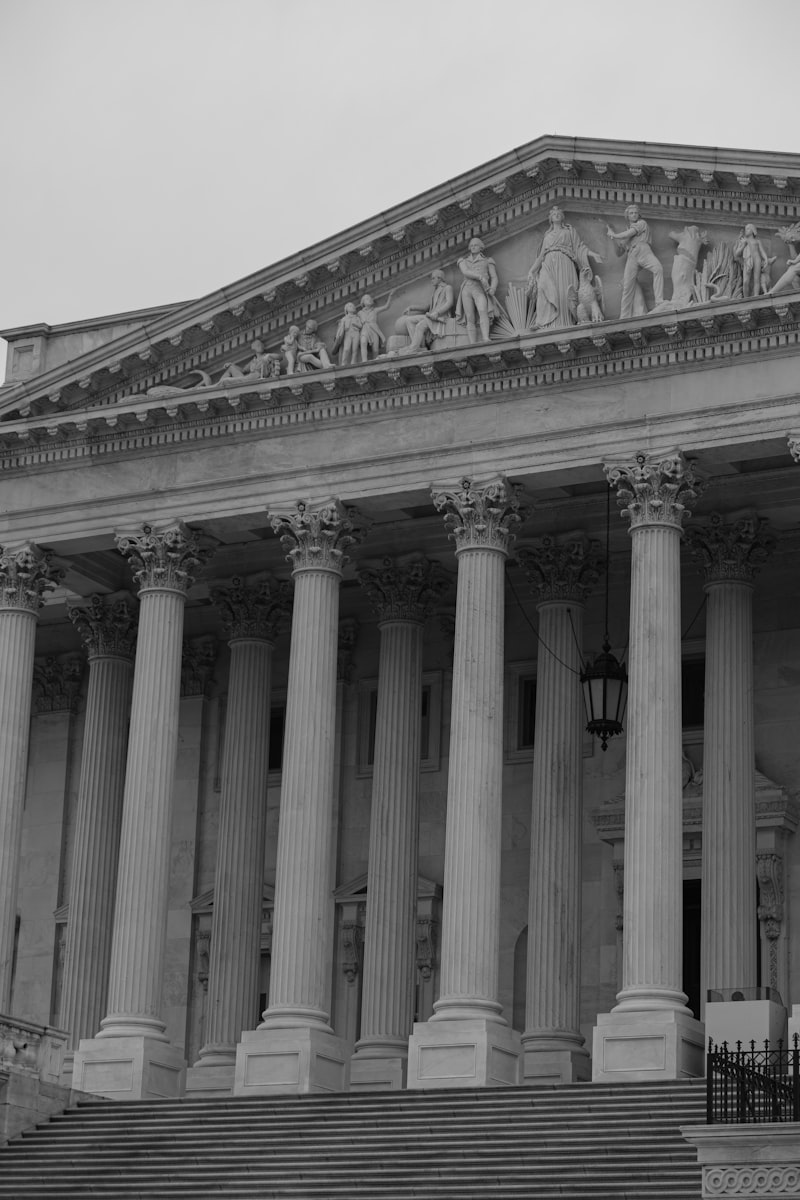
The Supreme Court hears oral arguments on Monday in a case that could strip federal agencies of their power to impose fines without jury trials. AT&T and Verizon are challenging a combined $104 million in FCC penalties for selling customers’ real-time location data to third-party brokers without consent.
Why it matters
The case extends the court’s 2024 Jarkesy ruling, which found SEC in-house tribunals unconstitutional. If the justices apply the same Seventh Amendment logic to the FCC, dozens of agencies that impose civil penalties through administrative proceedings could lose that authority overnight.
The split
The Fifth Circuit sided with AT&T, finding the FCC’s forfeiture process unconstitutional. The Second Circuit ruled against Verizon, holding that companies can already demand a jury trial by refusing to pay and waiting for the Justice Department to sue. The Supreme Court consolidated both cases to resolve the disagreement.
How the FCC process works
Under current law, the FCC investigates a potential violation, issues a notice of apparent liability, and enters a forfeiture order. Companies can challenge the order in federal court or wait for the government to file a collection lawsuit, at which point they receive a jury trial.
AT&T and Verizon argue this process is constitutionally deficient because the FCC order itself carries binding legal weight and reputational harm, regardless of whether payment is eventually collected through a court.
What happens next
A decision is expected by late June. Legal analysts say a broad ruling could force Congress to rewrite enforcement frameworks across multiple agencies, shifting thousands of cases annually into already backlogged federal courts.