
Where things stand
The two-week ceasefire between the United States and Iran expires on Wednesday, 22 April. No permanent deal has been reached, but mediators say both sides have agreed in principle to extend the pause.
Regional officials told the Associated Press that Pakistani, Egyptian and Turkish mediators are pushing for at least another two-week extension. A fresh round of talks between Iranian and American negotiators could take place in Pakistan as early as Monday.
Why it matters: the ceasefire halted seven weeks of US air strikes on Iranian military and nuclear infrastructure. Its collapse would restart hostilities that have already disrupted global energy markets, closed the Strait of Hormuz and driven oil above $100 a barrel.
Three sticking points
Negotiations that collapsed in Islamabad last weekend failed on three issues.
The first is Iran’s nuclear programme. The US proposed a 20-year suspension of uranium enrichment. Iran countered with five years. The gap between those positions remains the largest obstacle.
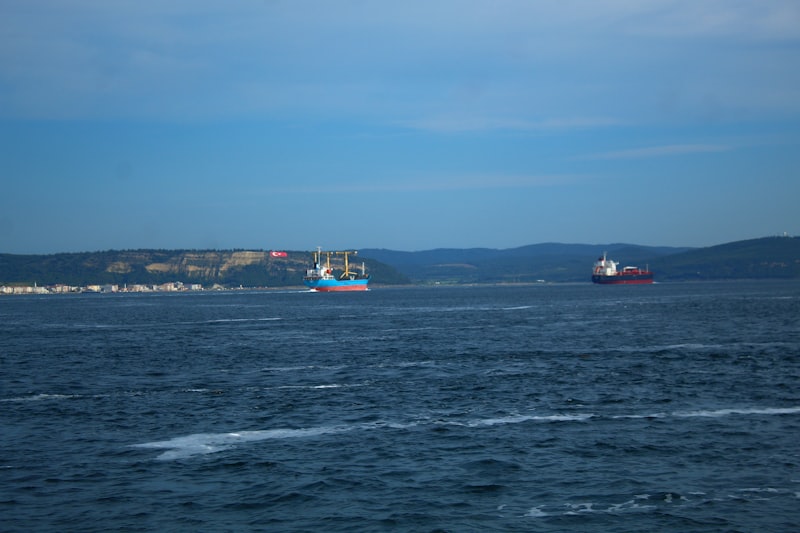
The second is the Strait of Hormuz. Iran declared the strait “completely open” during the ceasefire, but in practice only a handful of commercial vessels have transited daily. The US naval blockade remains in force.
The third is compensation. Both sides have demanded reparations for wartime damages, with no framework for calculating or paying them.
What both sides say
Trump told reporters the war is “very close to over” and teased a second round of talks. He also warned: “Maybe I won’t extend it. So, you have a blockade, and unfortunately we’ll have to start dropping bombs again.”
Iran’s position is that it will negotiate limits on nuclear activities if sanctions are removed, but it rejects any accusation that it seeks to build nuclear weapons.
What happens next
If the ceasefire is extended, mediators hope to narrow the gaps enough for a face-to-face meeting between senior US and Iranian officials. If it collapses, the immediate consequences include renewed strikes, another Hormuz closure, and a likely spike in oil and fuel prices that would be felt globally.
Secretary of State Marco Rubio has urged European countries to reimpose sanctions on Iran, warning that Tehran is violating existing agreements and advancing its nuclear capabilities.