
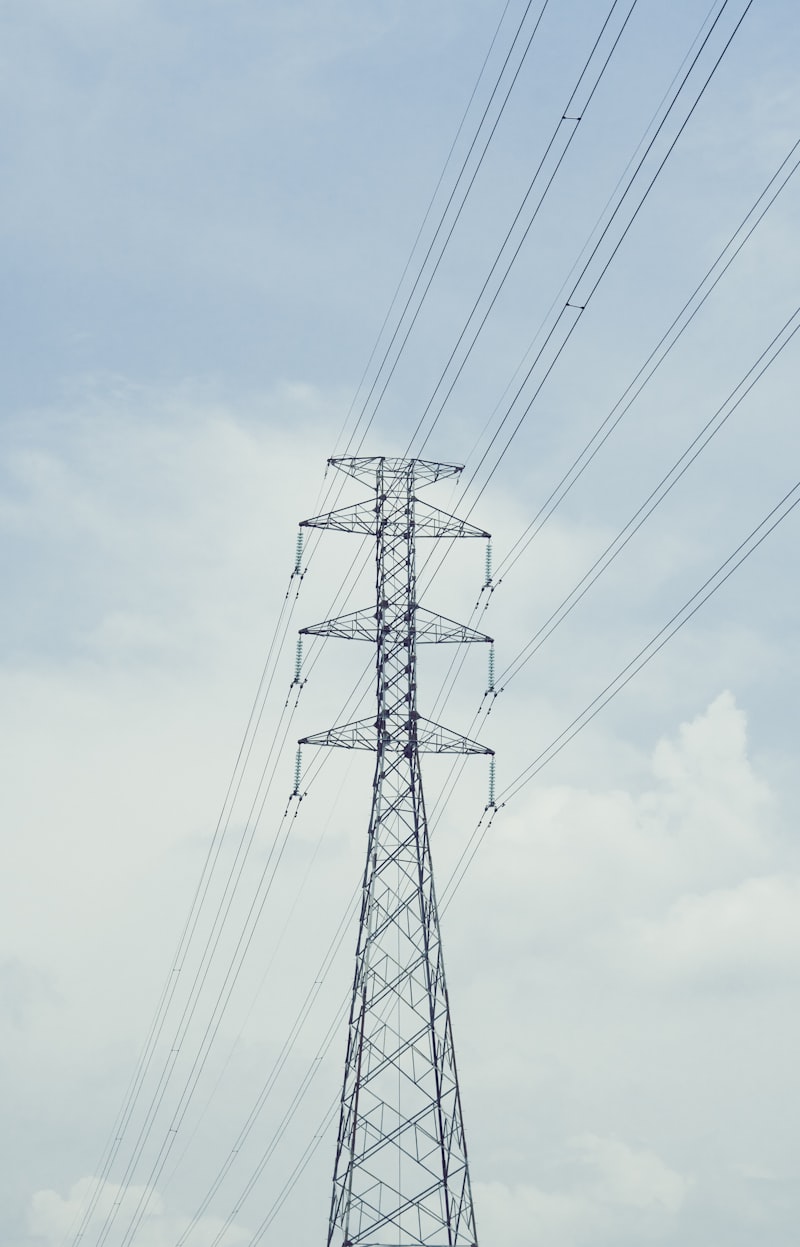
US utility companies plan to invest $1.4 trillion in power grid infrastructure over the next five years. The figure, published by the nonprofit PowerLines on 14 April, marks a 30% jump from projections issued a year earlier.
Why it matters
The spending will reshape electricity costs for the 250 million Americans served by these 51 investor-owned utilities. Consumer bills have already climbed 40% since 2021 and show no signs of slowing.
What is driving the surge
A majority of the surveyed utilities named data centres as the top driver of new capital expenditure. The AI construction boom has created unprecedented demand for reliable, high-capacity power, particularly in Virginia, Texas, and the Midwest.
Aging infrastructure, climate resilience, and the broader shift to electrification also contributed. But data centres account for the largest single share of new spending growth nationwide.
Who pays
PowerLines estimates that residential customers could end up footing roughly half the bill, or about $700 billion. In 2025 alone, utilities filed for $31 billion in rate increases across the country.
However, rate hikes are not automatic. State public utility commissions must approve each request, and PowerLines said effective regulatory oversight will be crucial to managing how costs are distributed.
The scale
To put the figure in context, $1.4 trillion exceeds the entire annual GDP of Mexico. It is roughly seven times the amount the federal government spent on highways in its most recent infrastructure law.
The spending will fund new transmission lines, substation upgrades, grid-hardening projects, and generation capacity. Several utilities have already begun construction on dedicated power facilities adjacent to data centre campuses.
What happens next
Most of the planned spending sits in five-year capital budgets disclosed in quarterly earnings reports. Actual expenditure will depend on regulatory approvals, permitting timelines, and whether demand from data centres continues at its current pace.