
The reversal
Iran’s Islamic Revolutionary Guard Corps declared on Saturday that it had reasserted control over the Strait of Hormuz, returning the waterway to its “previous state” of closure. The announcement came hours after President Trump said the strait was fully open.
The trigger: Washington refused to lift its naval blockade on vessels departing from or docking at Iranian ports, even as a Lebanon ceasefire raised hopes of broader de-escalation. Iran said the blockade made a genuine reopening impossible.
Why it matters for South Africa
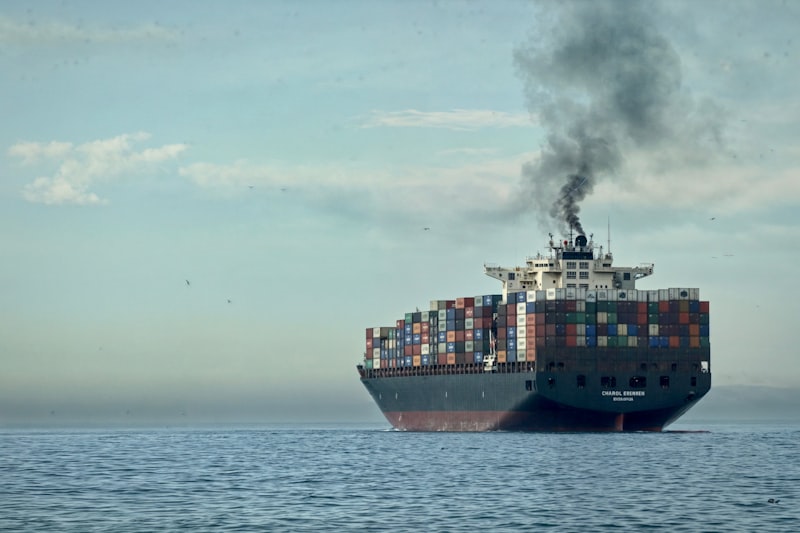
South Africa sits at the pivot point of the crisis. With both the Strait of Hormuz and the Red Sea effectively closed to commercial shipping, the Cape of Good Hope has become the world’s default maritime detour.
Ship traffic passing South Africa has roughly doubled, with a 112% increase in vessel movements since the crisis began in late February. Up to 150 ships a day could round the Cape if the situation worsens, according to maritime economists in Cape Town.
The gap between traffic and revenue
More ships does not mean more money. Despite the surge in passing traffic, South African ports have not seen a proportional increase in port calls. Vessels are rounding the Cape, not stopping at it.
South Africa’s transshipment share has dropped from roughly 23% to about 14%, according to industry data. Container volumes rose just 3.9% between 2024 and 2025, while vessel calls increased by only 2%.
The marine services sector has benefited, with rising demand for crew changes, emergency parts, and medical evacuations. But the big revenue from cargo handling remains elusive.
The fuel cost reality
While the shipping route shift brings modest service revenue, the Hormuz closure is punishing South African consumers directly. Diesel prices jumped R7.51 per litre this month, and further increases are expected if the strait remains closed.
The Central Energy Fund data from 14 April projected that diesel could hit R40 per litre in May. Every rand added to diesel feeds into food prices, public transport fares, and the cost of running generators in areas without reliable electricity.
What happens next
The US-Iran ceasefire extension expires on 22 April. If no broader deal emerges, the strait could remain closed indefinitely. South Africa’s ports authority, Transnet, has said it is gearing up for sustained high traffic volumes but has not announced any major infrastructure investment to capture the opportunity.