
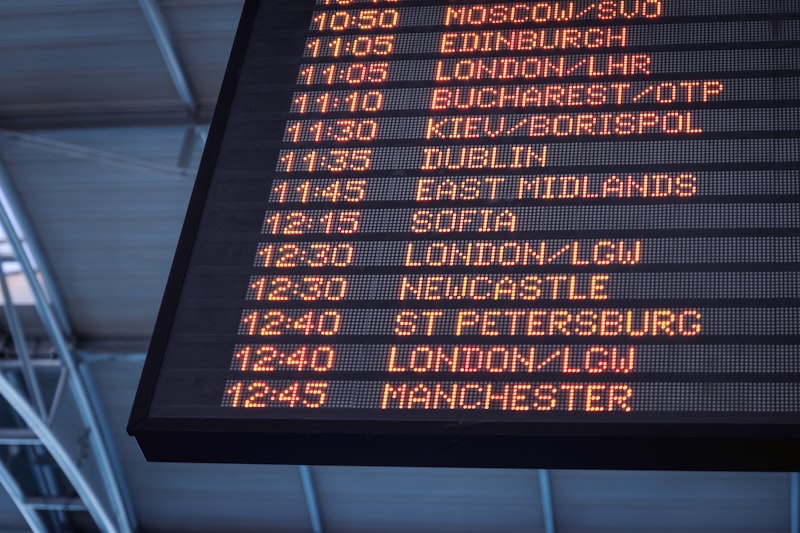
Airlines across the world are cancelling thousands of flights as jet fuel prices double and supply chains buckle under the pressure of the Iran war and the Strait of Hormuz disruption.
The International Energy Agency has warned that Europe may have roughly six weeks of jet fuel reserves remaining if oil flows through the strait are not restored.
Why it matters
Aviation connects global commerce, tourism and supply chains. A sustained fuel shortage heading into the northern hemisphere summer would affect hundreds of millions of travellers, raise the cost of air freight, and ripple through hotel, car rental and hospitality industries worldwide.
The cancellations
Lufthansa announced on 16 April that it is permanently shutting its regional subsidiary CityLine, removing 27 aircraft from its fleet. The airline cited unsustainable jet fuel costs tied directly to the Iran war.
KLM Royal Dutch Airlines is cutting 160 flights across its European network. Scandinavian carrier SAS has cancelled 1,000 April departures. Air New Zealand has scrapped 1,100 flights in the Pacific region, affecting 44,000 passengers.
Ryanair CEO Michael O’Leary said the carrier would reduce summer capacity if the shortage continued.
The cost
US jet fuel prices have nearly doubled, rising from $2.50 per gallon on 27 February to $4.88 per gallon by early April. United Airlines CEO Scott Kirby warned that sustained prices at this level could add $11 billion in annual fuel costs to a single carrier.
Hong Kong’s Cathay Pacific has increased fuel surcharges by 34%. Air India has added up to $280 in fees on certain routes.
The supply picture
Industry estimates suggest the Hormuz disruption has removed 10 million to 15 million barrels of oil per day from global markets. Refineries that convert crude into jet fuel are operating at capacity, but cannot compensate for the shortfall in raw supply.
IEA director Fatih Birol told AP that flight cancellations in Europe could begin “soon” if conditions do not improve.
What the two sides say
Aviation industry groups argue that governments should release strategic petroleum reserves and waive fuel taxes to cushion the blow. Environmental groups counter that the crisis exposes aviation’s structural dependence on fossil fuels and should accelerate investment in sustainable aviation fuel, which currently accounts for less than 1% of global supply.
What happens next
The US-Iran ceasefire, if extended past the 22 April deadline, could begin to ease supply pressure. But even if Hormuz reopens fully, analysts estimate it would take four to six weeks for jet fuel inventories in Europe and Asia to recover to pre-crisis levels. Summer bookings are already being affected.