
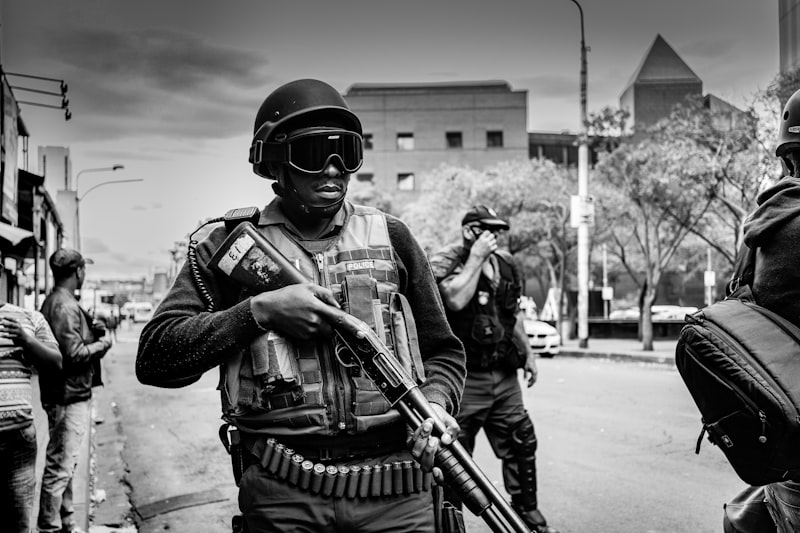
More than 50 people were killed on the Cape Flats in the week of 9 to 15 April, barely two weeks after 2,200 soldiers arrived under Operation Prosper. The deaths have reignited debate over whether military deployments can reduce gang violence.
Why it matters
The Cape Flats has some of the highest murder rates in the world. Operation Prosper represents South Africa’s largest domestic military deployment since 2019, and its early failure to stem killings raises questions about the government’s crime-fighting strategy ahead of the 2026 local elections.
The case for the deployment
Supporters argue the operation is still in its early phases. According to the South African National Defence Force, soldiers have conducted joint patrols with police, set up vehicle checkpoints, and supported raids on illegal mining operations in Gauteng and the Free State.
The government says intelligence-led operations take time. President Ramaphosa authorised the deployment until March 2027, giving commanders a full year to build operational momentum.
The case against
Community leaders in Mitchells Plain told EWN that “gangsters are unfazed” by the military presence. Four people were shot dead in broad daylight in a single incident in mid-April, with soldiers stationed less than a kilometre away.
Policing experts argue that gang violence is driven by poverty, unemployment, and weak criminal justice systems. Military force does not address any of these root causes.
Previous Cape Flats deployments in 2019 produced similarly disappointing results, with violence returning as soon as troops withdrew.
What happens next
Parliament’s portfolio committee on defence has demanded a full accounting of Operation Prosper’s costs and results. The SANDF is expected to provide a progress report by the end of April. Community organisations have called for investment in youth programmes and witness protection as alternatives to military policing.