
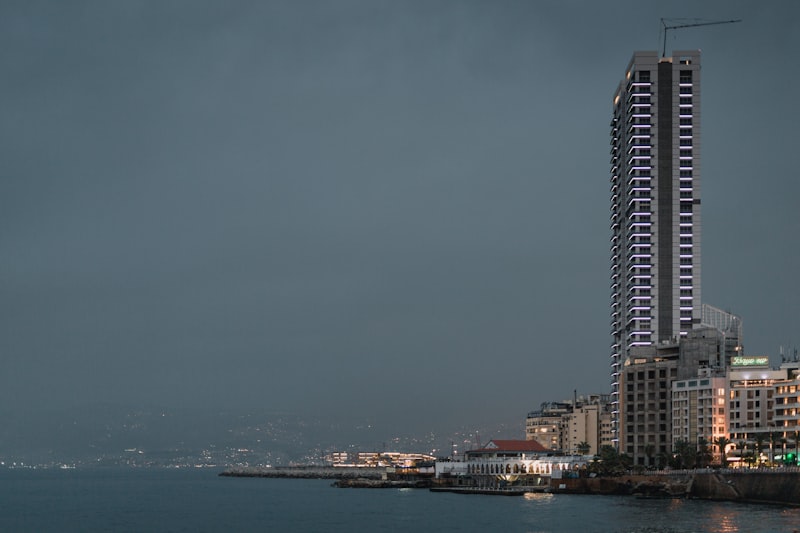
A 10-day ceasefire between Israel and the Lebanese government took effect at 5 p.m. ET on Thursday, the first pause in fighting since the wider Middle East conflict began seven weeks ago. President Trump announced the agreement from the White House and said a broader deal to end the war with Iran was “very close.”
Why it matters
The ceasefire is the first tangible sign of de-escalation in a conflict that has killed thousands, displaced more than a million Lebanese civilians, and disrupted global energy supplies through the closure of the Strait of Hormuz. If it holds, it could open a path toward the broader negotiations needed to end the war.
Early hours
Celebratory gunfire and fireworks erupted across Beirut within minutes of the ceasefire taking effect. In Hezbollah-controlled neighbourhoods, residents poured into the streets, with the group claiming it had “forced the enemy” into the truce.
But the ceasefire’s durability was immediately tested. Lebanon’s state news agency NNA reported Israeli artillery shelling in southern Lebanon approximately 30 minutes after the halt was supposed to begin.
Unresolved disputes
Prime Minister Benjamin Netanyahu said Israel had not agreed to withdraw its forces from southern Lebanon, a key Hezbollah demand. Hezbollah stated that any ceasefire must be “comprehensive across all Lebanese territory” and must not allow Israeli freedom of movement.
The US State Department described the agreement as a “cessation of hostilities to enable peace negotiations,” stopping short of calling it a formal ceasefire.
Iran talks
Trump said separately that talks with Iran could resume in Islamabad as early as this weekend. Vice President JD Vance, who helped broker the Lebanon agreement, has been in direct contact with Israeli officials for days, according to administration officials.
What comes next
The 10-day window is intended to allow Israeli and Lebanese negotiators to meet for the first time in 34 years. The talks are expected to address the permanent status of Israeli forces in southern Lebanon, the disarmament of Hezbollah’s border positions, and a framework for a lasting security arrangement.
If the ceasefire collapses, there is no automatic mechanism to restore it.