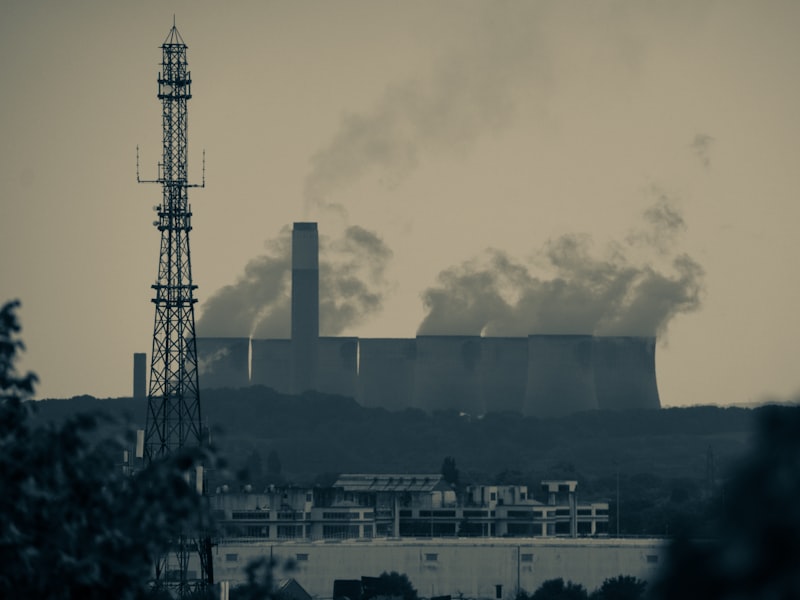
Eskom has put a final wage offer of 5.5% annual increases on the table as its three-year agreement with unions nears expiry on 30 June. The National Union of Mineworkers, NUMSA, and Solidarity have taken the offer to their members.
Why it matters
Eskom has gone 328 days without load shedding. A wage dispute that escalates into strike action could threaten that streak at a time when grid stability is central to South Africa’s economic recovery.
The utility’s position
Eskom argues that fiscal constraints make a higher offer impossible. The utility is midway through its transition from coal to renewable energy, a process that requires massive capital investment. Management says the 5.5% offer includes adjustments to housing and other benefits that raise the total package value.
According to Eskom, the offer must be viewed against the backdrop of a utility that is still managing down its debt burden, which stood at over R400 billion at the last reporting period.
The unions’ position
Union leaders counter that 5.5% does not keep pace with real living costs. The previous three-year deal, signed in 2023, provided 7% annual increases. NUM and NUMSA argue that workers bore the brunt of the load-shedding crisis through mandatory overtime and difficult working conditions, and that Eskom’s improved performance should translate into better pay.
Solidarity has signalled it may accept a deal closer to the current offer if housing and medical benefits are improved, but NUM’s position appears firmer.
What happens next
Members have until late April to vote on the offer. If they reject it, the dispute moves to the Commission for Conciliation, Mediation and Arbitration. If mediation fails, unions can call a protected strike. Eskom has indicated it would seek an essential-services designation to limit the impact of any work stoppage on the grid.