
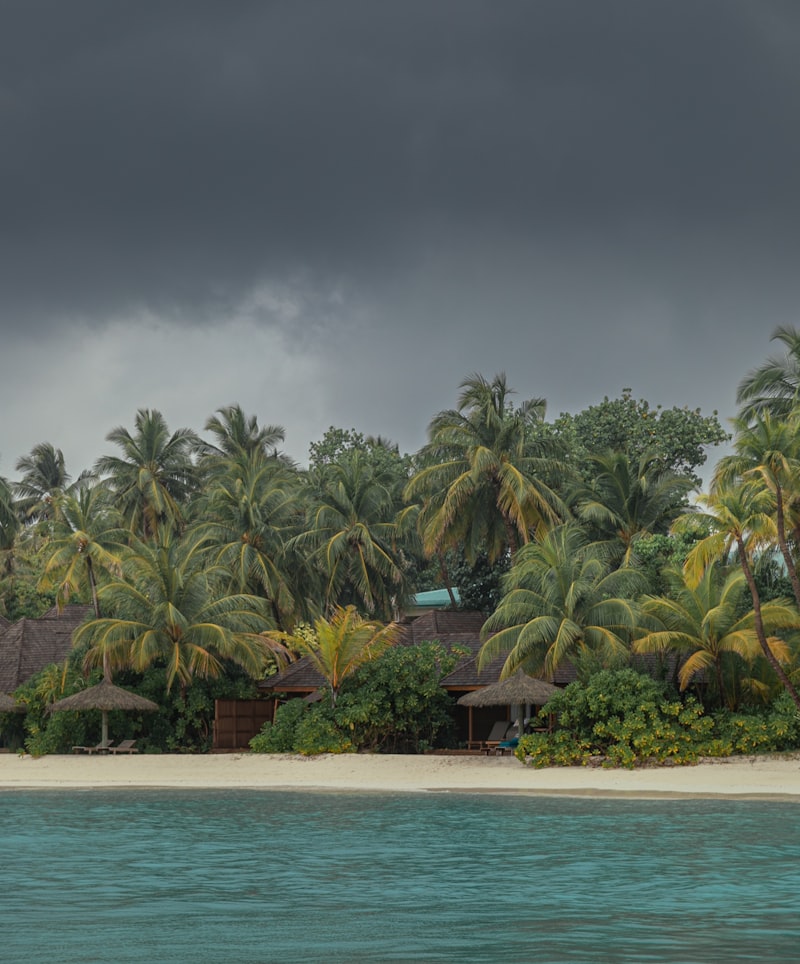
Super Typhoon Sinlaku, the strongest tropical cyclone of 2026, battered the Northern Mariana Islands for hours before daybreak on Wednesday. The storm packed sustained winds of up to 150 mph when it made landfall, after peaking at 180 mph over open ocean.
Why it matters: the Northern Mariana Islands are a US territory with limited infrastructure and a single hospital on Saipan. A major typhoon hitting this early in the season, months before the traditional peak, has alarmed climate scientists.
The damage
The storm first struck Tuesday night local time and slowed over the islands of Tinian and Saipan, home to nearly 50,000 people. Winds flipped cars, toppled utility poles and ripped away tin roofs. Power went out across Saipan and many roads became impassable.
The only hospital on Saipan suffered severe flooding. Several major resorts lost backup generators. Forecasters say the damage could take weeks to fully assess.
Guam and the wider region
Tropical-force winds and torrential rainfall triggered flash flooding on Guam, a US territory to the south with several military installations and roughly 170,000 residents. Earlier, Sinlaku hit the outer islands and atolls of Chuuk in the Federated States of Micronesia.
By Thursday, the storm had moved roughly 170 miles northwest of Saipan and was tracking away from populated areas.
Response
President Trump approved emergency disaster declarations for Guam and the Mariana Islands ahead of the storm. FEMA said it dispatched nearly 100 staff and was coordinating support across multiple agencies.
No deaths have been reported. Parts of the Northern Marianas could be without power for weeks, according to NPR.