
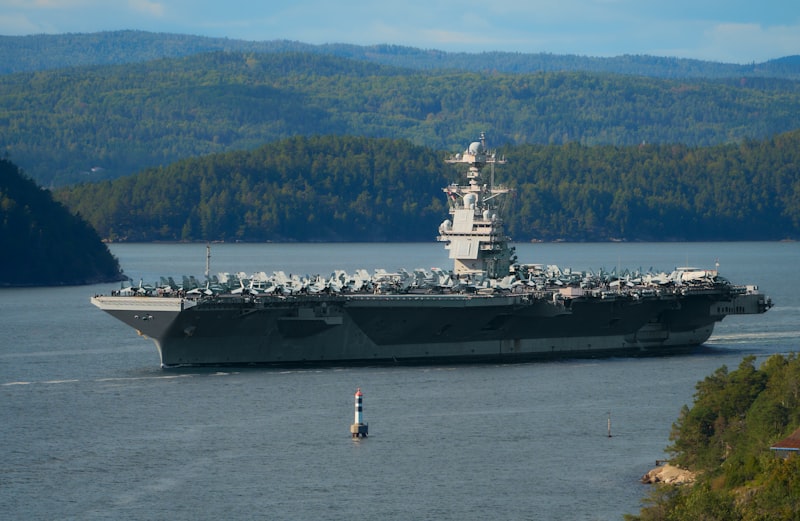
The United States is deploying more than 10,000 additional troops to the Middle East before the end of April, even as a fragile ceasefire with Iran continues to hold. The buildup represents the largest single reinforcement since the war began.
Why it matters: the deployment signals that Washington is preparing for the possibility the ceasefire collapses when it expires on 22 April, while simultaneously claiming the troop presence supports ongoing diplomatic efforts.
The numbers
According to defence officials cited by multiple outlets, the deployment has two components. Roughly 6,000 personnel are travelling aboard the USS George H.W. Bush carrier strike group. An additional 4,200 troops from the Boxer Amphibious Ready Group and the 11th Marine Expeditionary Unit are expected to arrive by month’s end.
The reinforcements will join approximately 50,000 US troops already operating in the region.
The case for pressure
Supporters of the deployment argue it strengthens Washington’s hand at the negotiating table. A senior administration official told the Washington Post that the forces “ensure we can continue holding talks while preparing for the possibility of additional strikes or ground operations.”
The White House maintains that the first round of direct talks in Islamabad, while not producing a deal, demonstrated progress. President Trump has said the war is “close to over.”
The case for restraint
Critics argue the buildup undermines diplomatic signals. Senator Tim Kaine called the deployment “the opposite of de-escalation” and warned it could provoke Iran into abandoning the ceasefire before 22 April.
Al Jazeera reported that Iranian officials have described the reinforcement as evidence that Washington is negotiating in bad faith.
What happens next
The ceasefire expires on 22 April. Pakistan has been pushing for a second round of direct talks in Islamabad. The White House says it is “optimistic about prospects of a deal,” but the troop deployment suggests contingency planning is well advanced.