
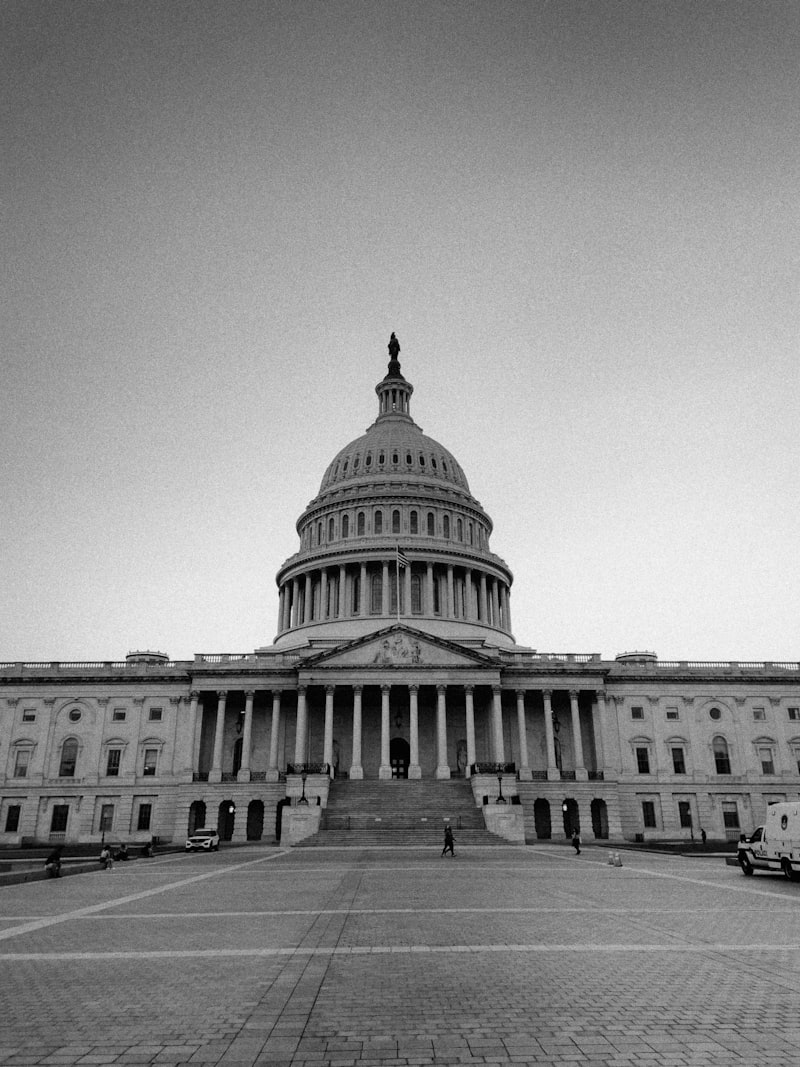
The Trump administration’s Justice Department asked a federal appeals court on Tuesday to vacate the seditious conspiracy convictions of twelve members of the Proud Boys and Oath Keepers. The filing would permanently erase the most serious criminal charges brought in connection with the 6 January 2021 Capitol attack.
Why it matters
The seditious conspiracy convictions were the centrepiece of the Biden-era prosecution of the Capitol breach. Erasing them with prejudice means no future administration can bring the charges again, closing the legal chapter permanently.
What the filing says
US Attorney Jeanine Pirro signed the motion, which asks the DC Circuit Court of Appeals to vacate all convictions and dismiss the indictments with prejudice. The twelve defendants include Oath Keepers founder Stewart Rhodes, who received an 18-year sentence, and Proud Boys leaders Ethan Nordean, Joseph Biggs, and Zachary Rehl.
A fourth Proud Boy, Dominic Pezzola, became one of the more recognisable faces of the attack after video showed him smashing a Capitol window with a riot shield.
The pardon gap
On his first day back in office in January 2025, President Trump pardoned more than 1,000 January 6 defendants. However, 14 people — including the twelve named in Tuesday’s filing — instead had their sentences commuted to time served. They left prison but kept their convictions.
Tuesday’s motion seeks to eliminate that remaining legal record.
The case for
Supporters of the move argue that the original seditious conspiracy prosecutions were an overreach by the Biden Justice Department. They say the charge, which carries up to 20 years in prison, was applied to what amounted to a riot, not a coordinated attempt to overthrow the government.
The case against
Former DOJ spokesperson Xochitl Hinojosa said the filing “gave yet another nod to individuals who conspired against the United States government.” Democratic lawmakers called it a signal that political violence carries no lasting consequences.
Legal scholars note that the convictions were upheld on appeal and secured through jury verdicts, not plea bargains.
What happens next
The DC Circuit must decide whether to grant the government’s motion. The court could accept it, reject it, or request additional briefing. The defendants’ attorneys have signalled they will support the government’s request, making opposition unlikely to come from the parties involved.