
The numbers
Drug overdose deaths in the United States have fallen to approximately 71,500 per year, according to provisional CDC data through October 2025. That is down more than 36% from the peak of nearly 113,000 deaths recorded in August 2023.
The decline has been driven primarily by opioids. Deaths involving fentanyl and other synthetic opioids dropped from 79,358 in 2023 to 54,045 in 2024, and provisional data shows they continued falling through 2025.
Why it matters: For the first time in decades, stimulants like cocaine and methamphetamine now kill more Americans than opioids. The shift marks a turning point in a crisis that has claimed more than 700,000 lives since 1999.
What is driving the decline
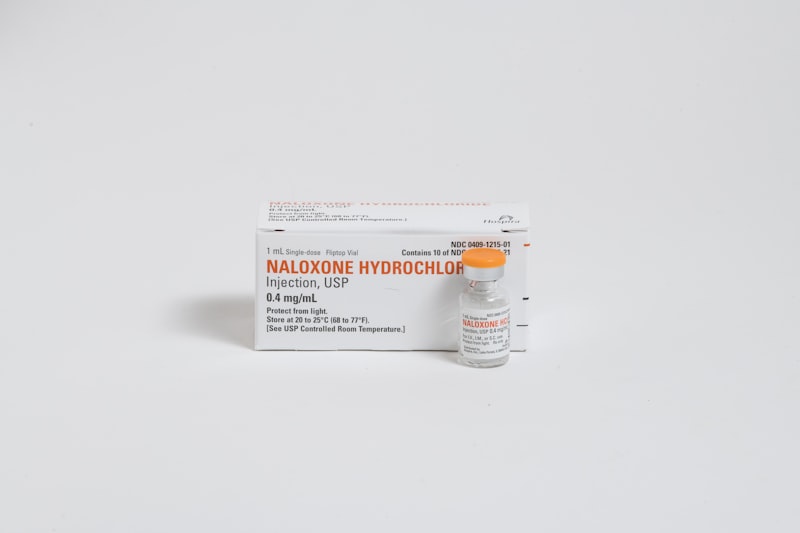
Researchers point to several factors working in combination. The fentanyl circulating on the street has become less potent in many regions. Naloxone — the overdose-reversal drug sold as Narcan — is now available over the counter and has been distributed widely by harm-reduction organisations.
Better access to medication-assisted treatment, including buprenorphine and methadone, has also helped. In Maine, no one under age 25 has died from a drug overdose in nearly 12 months.
The emerging threat
Public health officials are sounding an alarm about what they call a “synthetic soup” of toxic adulterants appearing in street drugs. Illicit chemists are mixing compounds ranging from medetomidine, a veterinary sedative, to xylazine and even industrial chemicals like BTPMS, a plastics stabiliser.
These substances do not respond to naloxone. An overdose involving medetomidine requires different medical intervention, and many first responders are not yet trained or equipped to identify these new compounds.
What is at stake
According to STAT News, the rate of decline has slowed in recent months. Several states have reported slight increases in overdose deaths even as the national trend falls. Health officials worry that the changing drug supply could stall or reverse the progress if the public health response does not adapt quickly.