
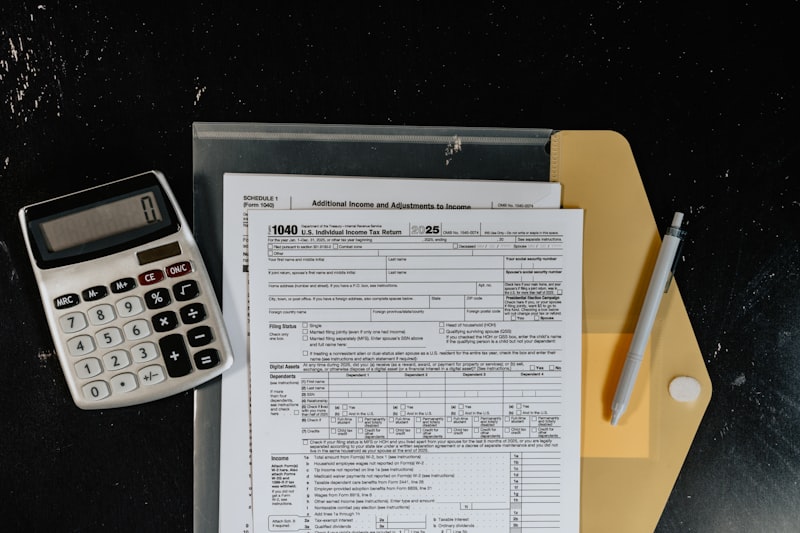
The US Treasury Department announced on Tax Day that more than 53 million filers have claimed deductions under new exemptions signed into law by President Trump. The breaks include no tax on tips, no tax on overtime pay, deductions for certain car loan interest, and new savings accounts for children.
Why it matters
The exemptions represent one of the largest expansions of individual tax breaks in a generation. Whether they deliver lasting economic benefit or simply widen the federal deficit is a central question heading into the 2026 midterms.
The numbers
The average tax refund this season rose 11% to $3,462, up roughly $350 from last year’s $3,116 average. Treasury says refunds are up 24% compared with the four-year average before Trump took office.
The IRS has processed more than 140 million returns ahead of the April 15 deadline. The new tip and overtime exemptions alone accounted for millions of first-time claimants, according to Treasury data.
The debate
Supporters say the exemptions put money directly into the pockets of working Americans, particularly service workers and hourly employees who depend on tips and overtime. The White House called the results proof that tax policy can be both pro-growth and pro-worker.
Critics point to the fiscal cost. The Congressional Budget Office estimated the combined exemptions would reduce federal revenue by $150 billion over ten years. Some economists warn the benefits skew toward higher earners who can structure income to maximise the deductions.
Despite the cuts, polling shows seven in ten Americans still consider their taxes too high, suggesting the political dividend may be smaller than the administration hopes.
What happens next
Congress faces a decision later this year on whether to extend or expand the exemptions, which are set to expire in 2028. Republicans want to make them permanent. Democrats are pushing to offset the cost with higher taxes on incomes above $400,000.