
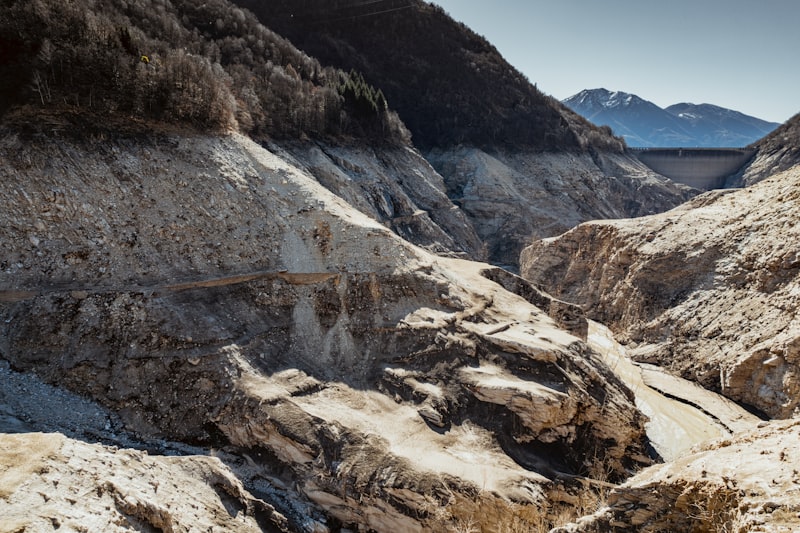
Cape Town’s combined dam system has dropped to 44.2% capacity, according to the city’s weekly water dashboard published on 13 April. Theewaterskloof Dam, the largest in the system, sits at 43.6%. The Eikenhof Dam is at 36.8%.
Why it matters
This is the lowest mid-April dam reading since the 2017-2018 water crisis. The city has narrowed the gap to avoid formal water restrictions, which would impose mandatory limits on household and commercial use.
New winter target
From April, the City of Cape Town introduced a winter consumption target of 860 million litres per day, down from the summer target of 975 million litres. The city has urged residents to reduce garden watering and shorten showers.
Officials warned that if consumption does not fall, dam levels could drop below 40% by May. Formal water restrictions would then become likely before the winter rainfall season begins.
Groundwater also declining
A University of the Western Cape study published on 8 April found that groundwater levels in the Cape Flats aquifer have declined over the past two years. The aquifer was developed as a backup supply during the Day Zero crisis but has not been adequately managed since, according to the researchers.
Not Day Zero
The city stressed that Cape Town is not in a drought and is not approaching Day Zero. But it acknowledged that the window to avoid restrictions is narrowing. The winter rainfall season, which typically begins in May, is forecast to be below average this year.
What happens next
The city will review consumption data at the end of April. If the 860 million litre target is not met, Level 1 water restrictions could be introduced as early as May.