
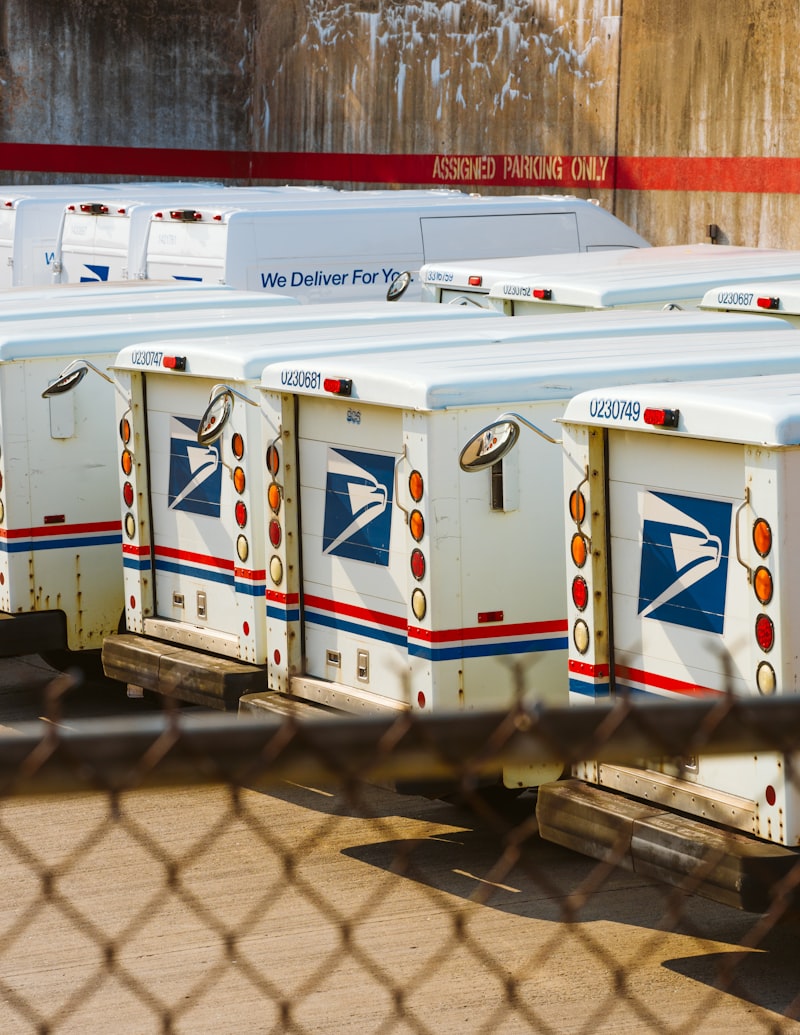
The United States Postal Service has suspended its employer contributions to the Federal Employees Retirement System as part of an emergency plan to keep mail trucks running and post offices open.
Why it matters: The USPS delivers to 167 million addresses daily. Its potential insolvency would disrupt medication deliveries, small business shipping, and rural communities that depend on the postal service as a lifeline.
The numbers
The suspension, effective 10 April, is expected to save approximately $2.5 billion through the end of the fiscal year on 30 September. USPS lost $9 billion in fiscal year 2025, $9.5 billion the year before that, and $1.3 billion in the first quarter of 2026 alone.
Postmaster General David Steiner told Congress in March that without intervention, the agency could run out of money to pay its workers and vendors within 12 months. Cutting delivery days is “on the table,” he said.
Why it’s happening
Americans send far fewer letters than they did two decades ago. First-Class Mail volumes have fallen by more than half since 2007 as communication shifted online. Package revenue has grown but not enough to offset the decline.
The agency also carries legacy obligations that no private company would. A 2006 law required USPS to pre-fund decades of retiree health benefits, a burden that contributed to cumulative losses exceeding $100 billion.
What Congress must decide
Government Accountability Office officials told lawmakers that the Postal Service cannot fix its finances alone. Congress must decide what level of service the country needs from USPS and how to fund it.
Options range from reducing delivery days to allowing USPS to raise prices more aggressively. Neither is popular in an election year.