
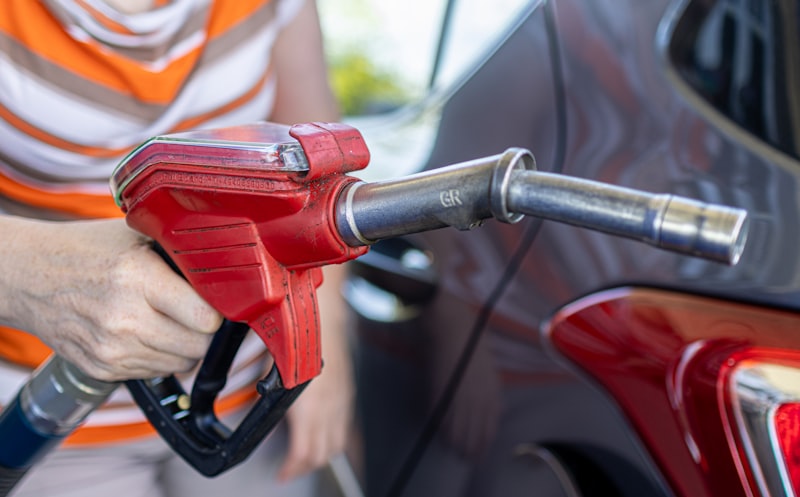
South Africa’s R3-per-litre fuel levy cut has been in place for 11 days. It softened the blow of record fuel price increases, but economists say the relief is already proving insufficient to contain the inflationary damage rippling through the economy.
Why it matters
Diesel powers the trucks that move food, goods, and raw materials across the country. A record diesel price means higher costs for nearly everything South Africans buy.
The numbers
From 1 April, petrol rose R3.06 per litre to R23.25 at the coast. Inland diesel hit R26.11 per litre after an increase of R7.51, the largest single-month jump on record.
Without the levy cut, petrol would have risen by roughly R6 per litre and diesel by more than R10. Finance Minister Enoch Godongwana reduced the general fuel levy from R4.10 to R1.10 per litre for petrol and from R3.93 to R0.93 for diesel.
The cost to government
The intervention costs Treasury about R6 billion per month in lost revenue. The cut expires on 5 May and will be reviewed monthly for the following two months.
Transport and food
According to industry data, the cost of trucking a load from Gauteng to Durban has risen by more than R2,200 since the diesel increase took effect. In most farming systems, fuel accounts for 12% to 18% of production costs.
Economists estimate the fuel increases will add at least one percentage point to annual consumer inflation in April, even with the levy cut in place.
What happens next
The South African Reserve Bank now expects inflation to reach about 4% in the second quarter, with fuel inflation exceeding 14%. If crude oil stays above $100 a barrel, further rate hikes may follow.
The levy cut buys time. Whether it buys enough depends on the Middle East conflict and the oil price it drives.