
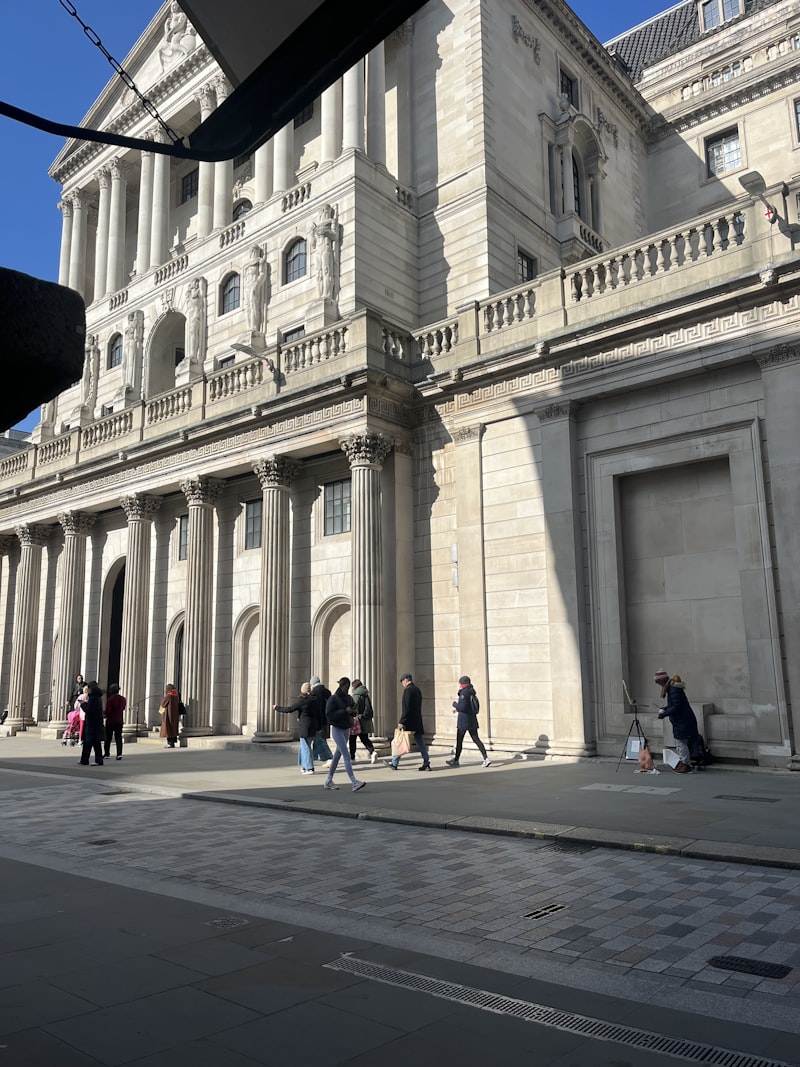
The Bank of England is gathering top banking and insurance executives to discuss a new AI model that regulators fear could be used to break into the financial system. The model, codenamed Mythos, was built by Anthropic and can detect software vulnerabilities faster than any human analyst.
Why it matters
Cybersecurity in finance has always been a race between attackers and defenders. A tool that can find vulnerabilities — including flaws hidden for decades — in minutes rather than months could tip the balance decisively. If such a tool were leaked or stolen, the consequences for banking infrastructure could be severe.
What Mythos does
Anthropic has described Mythos as a vulnerability detection system. According to reports, the model has discovered previously unknown flaws in software that have been running for 30 years without incident. The company has deemed it too dangerous to release publicly.
Duncan Mackinnon, the Bank of England’s risk chief, will chair a meeting of the Cross Market Operational Resilience Group to assess the threat. The meeting will bring together senior figures from banks and insurers.
Washington’s response
The concern is not limited to London. US Treasury Secretary Scott Bessent and Federal Reserve Chair Jerome Powell separately summoned Wall Street bank CEOs to a crisis meeting to discuss how financial institutions are preparing for the AI-driven threat.
The debate
Supporters of Anthropic’s approach argue that responsible disclosure — building the tool, proving the risk, then working with regulators — is exactly how the industry should handle dual-use AI. Critics argue that the tool’s mere existence creates risk, and that no containment protocol can guarantee a powerful vulnerability scanner stays out of hostile hands.
What happens next
The Bank of England’s meeting is expected within the fortnight. Regulators on both sides of the Atlantic are evaluating whether existing cybersecurity frameworks are adequate or whether AI-specific rules are needed for the financial sector.