
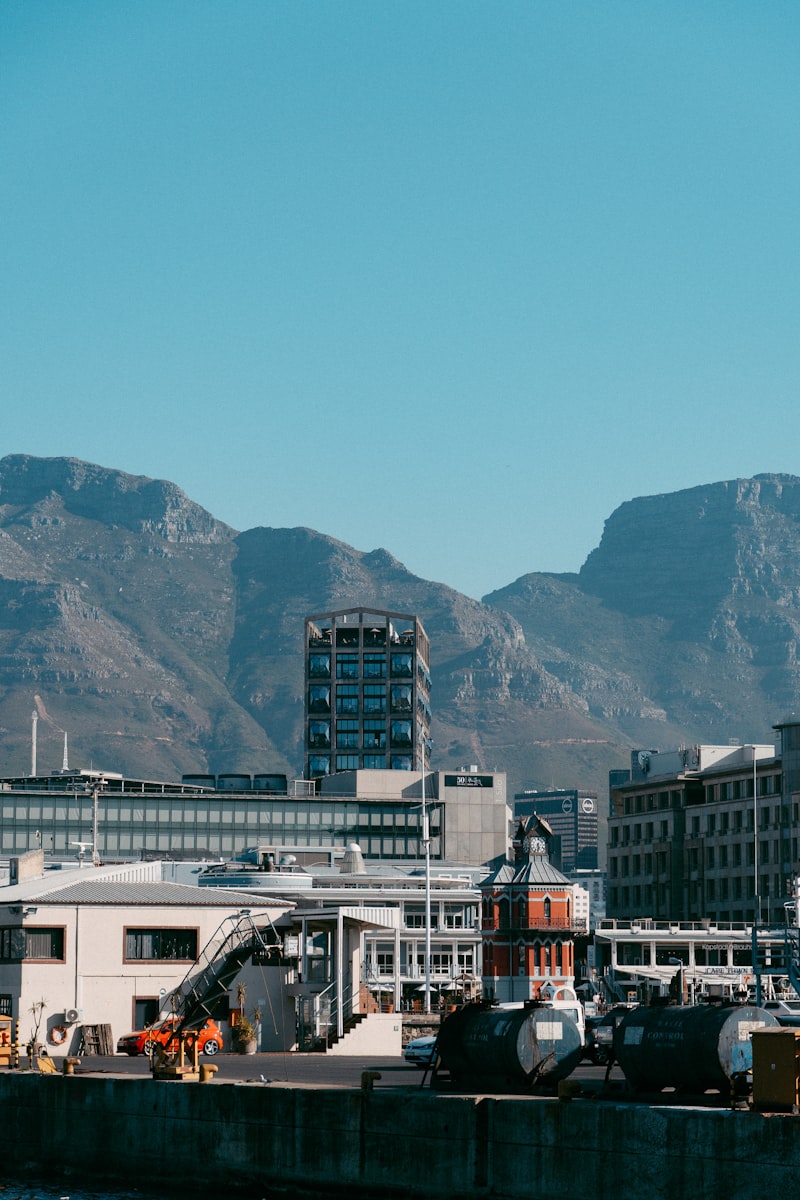
Cape Town’s treated effluent programme is saving more than eight billion litres of drinking water every year, reducing pressure on the city’s potable supply as dam levels continue to fall.
Why it matters: Cape Town’s dams dropped to 53.7% capacity in March. The treated effluent network is one of the city’s primary tools for stretching limited water resources without imposing stricter restrictions on households.
How the system works
Treated effluent is wastewater that has been processed to a standard suitable for non-drinking purposes. It is used for irrigation of parks and sports fields, construction projects, and certain industrial applications.
The city supplies treated effluent from nine wastewater treatment plants: Athlone, Bellville, Cape Flats, Kraaifontein, Macassar, Potsdam, Scottsdene, Zandvliet, and Melkbosstrand. The network spans 330 kilometres and serves 345 connected users.
Expansion under way
Two new pump stations are being built to expand the system. A R36 million facility at Zandvliet is 85% complete and expected to be operational by September 2026.
The Scottsdene pump station, which broke ground in September 2023, is set to be fully operational by the end of April 2026. It will supply up to six million litres daily over a 14-kilometre distribution network.
Cost savings
Treated effluent is cheaper than potable water, giving users a financial incentive to switch. The city said the programme also reduces the volume of treated wastewater discharged into rivers and the ocean, an environmental benefit alongside the water savings.
Context
Cape Town narrowly avoided “Day Zero” in 2018 when dam levels dropped below 20%. Since then, the city has invested in diversifying its water supply through desalination, groundwater extraction, and treated effluent reuse. The current programme represents one of the most successful elements of that strategy.