
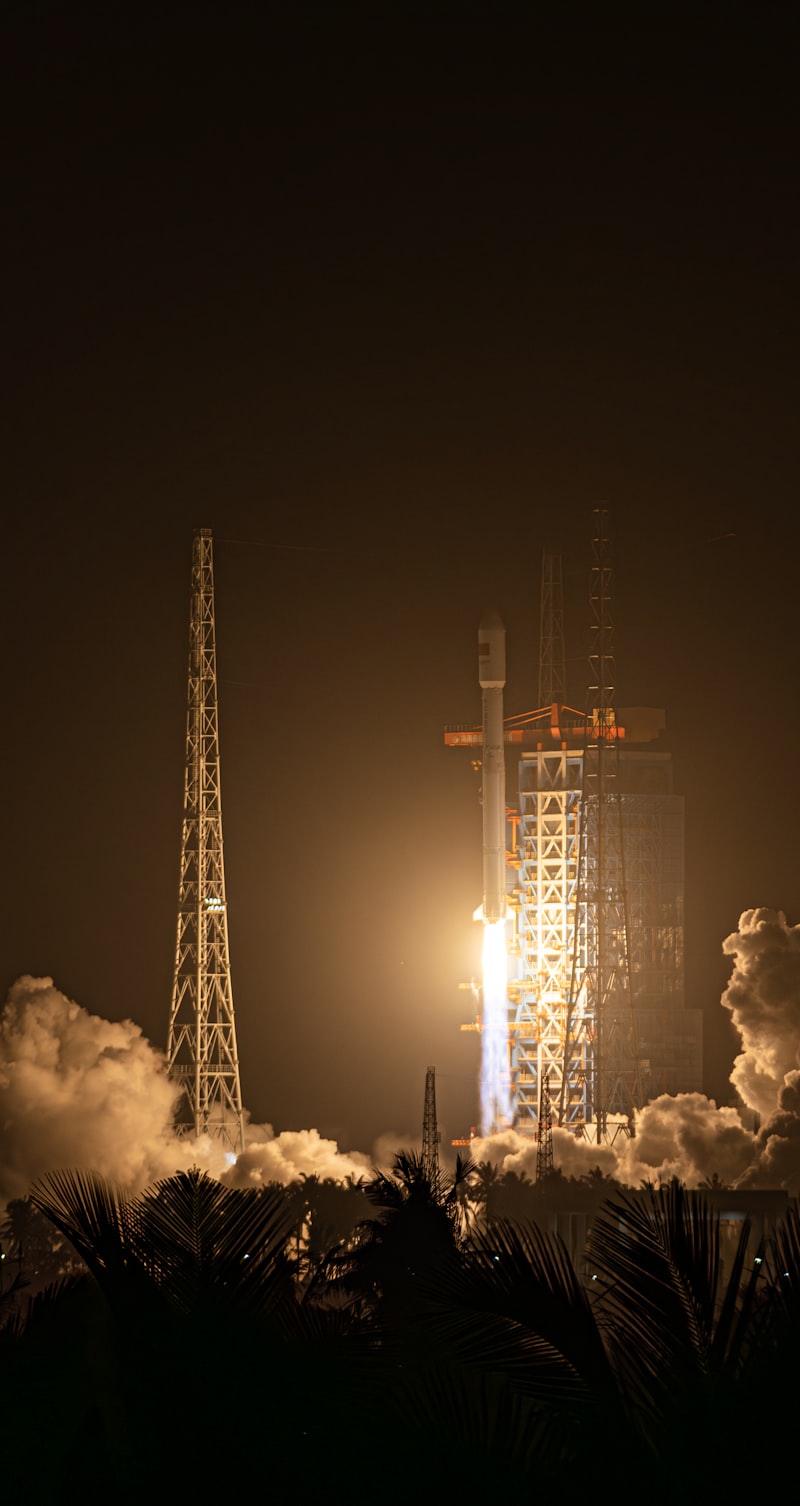
The four astronauts aboard NASA’s Artemis II mission splashed down in the Pacific Ocean off San Diego on Friday evening, ending a 10-day journey that rewrote the record books for human spaceflight.
Why it matters
The mission proved that NASA’s Orion capsule can safely carry a crew to lunar distance and back, clearing the path for Artemis III, which aims to land astronauts on the Moon’s surface. No humans had travelled beyond low Earth orbit since Apollo 17 in 1972.
The mission
Commander Reid Wiseman, pilot Victor Glover, mission specialist Christina Koch, and Canadian Space Agency astronaut Jeremy Hansen lifted off on 1 April. On 6 April, they reached 248,655 miles from Earth, surpassing the distance record set by Apollo 13 in 1970.
The crew conducted a series of navigation and communications tests during the lunar flyby before beginning the return leg on 7 April.
Re-entry and recovery
As Orion descended through the atmosphere, the capsule entered a planned six-minute communications blackout at 7:53 p.m. EDT as plasma built up around the heat shield during peak heating. Drogue parachutes deployed near 22,000 feet, followed by three main parachutes at 6,000 feet.
The capsule touched down at approximately 8:07 p.m. EDT. Recovery teams from the USS John P. Murtha used helicopters to retrieve the crew.
What happens next
The astronauts will undergo post-mission medical evaluations aboard the recovery ship before flying to NASA’s Johnson Space Center in Houston. NASA officials said data from the mission will inform final preparations for Artemis III, currently targeted for late 2027.