
Vice President JD Vance will head the American delegation at peace talks with Iran in Islamabad on Saturday morning, the White House confirmed on Wednesday. He will be joined by special envoy Steve Witkoff and presidential adviser Jared Kushner.
Why it matters: The talks represent the first face-to-face negotiations between the United States and Iran since Washington launched military strikes against Iranian nuclear and oil infrastructure 40 days ago. The outcome will determine whether a fragile two-week ceasefire becomes a lasting agreement or collapses into renewed conflict.
Who is at the table
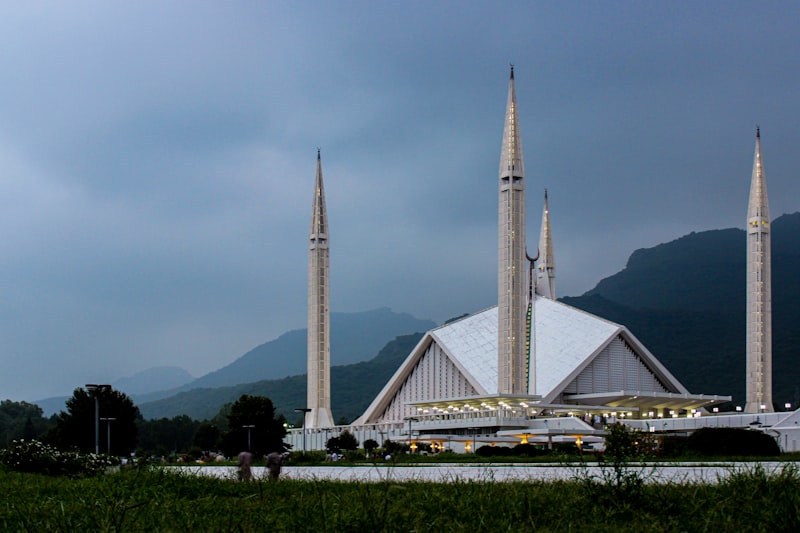
Pakistan brokered the ceasefire and is hosting the talks in Islamabad. Prime Minister Shehbaz Sharif has positioned Pakistan as a neutral intermediary acceptable to both sides. Iran’s delegation has not been formally announced, but Tehran has confirmed it will attend.
The choice of Vance signals the seniority Washington is attaching to the negotiations. Witkoff, who negotiated the original Gaza ceasefire, brings experience in Middle East diplomacy. Kushner’s role is less defined publicly but reflects his established back-channel relationships in the region.
Key disputes
Two issues threaten the talks before they begin. The first is Lebanon. Iran and Pakistan say the ceasefire extends to Lebanon. The United States and Israel say it does not. Israeli strikes killed 254 people in Lebanon on Tuesday, hours after the ceasefire was announced, deepening Iranian anger.
The second is the Strait of Hormuz. The Trump administration has made the immediate and secure reopening of the waterway a non-negotiable condition. About a fifth of the world’s oil supply passes through the strait, and its partial closure has pushed global oil prices above $100 a barrel.
The stakes
President Trump warned on Wednesday that US forces deployed in the region will “remain in place” until an agreement is reached, adding that strikes would resume if Iran does not agree to his terms. Iran’s foreign minister responded that Washington must choose between a ceasefire and continued war via Israel, saying it “cannot have both.”