
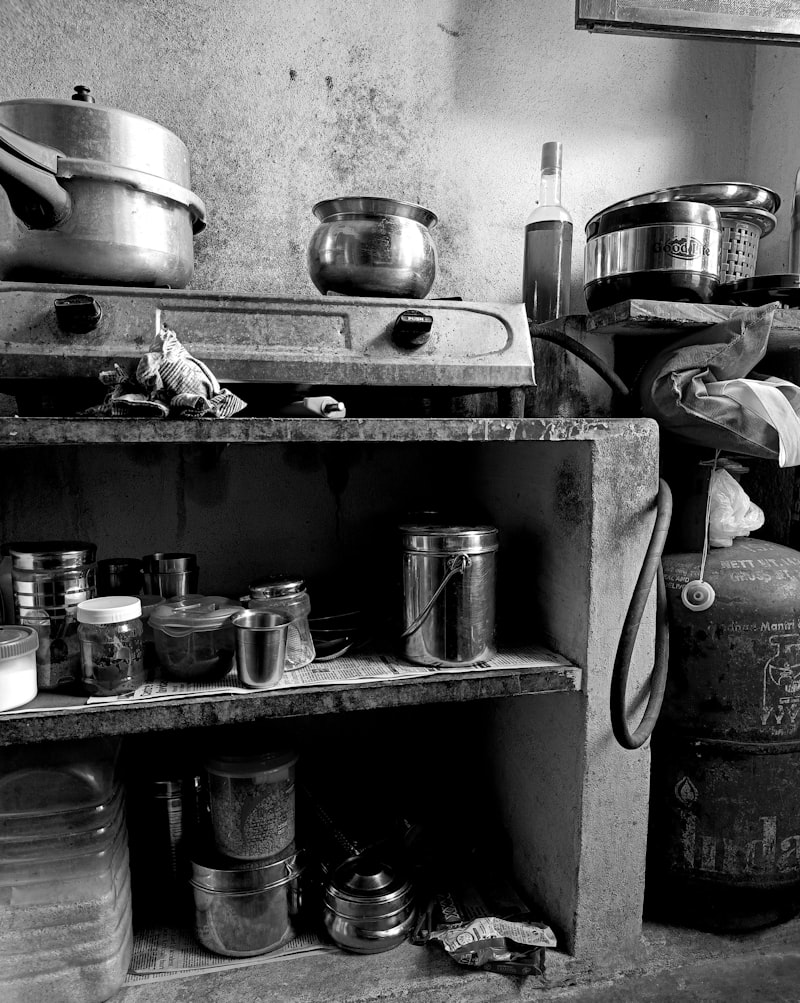
South Africa’s poorest households face a winter energy crisis after the price of illuminating paraffin nearly doubled from R11.52 to R23.19 per litre. The increase, driven by the Iran war’s impact on global oil prices, took effect on 1 April.
Why it matters: More than 500,000 households use paraffin for cooking, heating and lighting. For families in informal settlements and rural areas, this is not a discretionary cost.
The relief gap
Treasury cut the fuel levy by R3 per litre to shield motorists from the oil surge. Paraffin users received nothing. The Department of Mineral and Petroleum Resources announced the price hikes without any equivalent subsidy for the fuel used overwhelmingly by low-income households.
Labour federation FEDUSA called the disparity “unacceptable” in a statement on 2 April. The federation warned that paraffin-dependent families already spend a disproportionate share of their income on energy.
The broader picture
Global oil prices have surged roughly 50% since the Iran conflict began on 28 February. Brent crude is trading above $110 a barrel. The rand has weakened approximately 6% against the dollar over the past month, compounding the price impact for South African consumers.
For motorists, the fuel levy cut partially offsets the increase. For paraffin users, there is no buffer. The result is a widening energy inequality gap heading into winter.
What happens next
Officials have said broader household support measures are “under consideration” but provided no specifics or timeline. Civil society organisations are calling for an emergency paraffin subsidy or expanded free basic energy allocations to municipalities.
With temperatures dropping in May and June, the window to act is narrowing. The test is whether government treats paraffin users with the same urgency it showed motorists.