
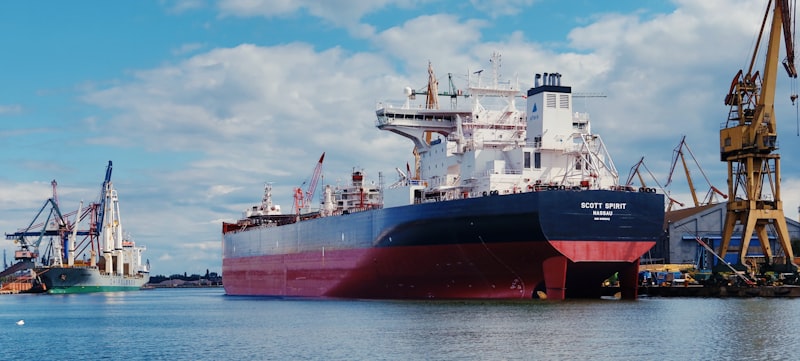
Iran has confirmed that South African vessels will be allowed to transit the Strait of Hormuz, the narrow waterway between Iran and the Arabian Peninsula through which roughly 20% of the world’s oil trade passes. The passage has been effectively closed to most shipping since the US-Israel military strikes on Iran began on 28 February.
Why it matters: South Africa is a net energy importer. Guaranteed passage through Hormuz protects a critical supply line at a time when oil prices are above $110 a barrel and the rand is under pressure.
How it happened
Tehran offered the passage after Pretoria refused American pressure to cut diplomatic ties with Iran. South Africa joins a small group of nations — including Oman, France and Japan — whose vessels have been granted safe transit.
Iran’s Islamic Revolutionary Guard Corps had issued warnings prohibiting vessel passage through the strait after the US-Israel strikes. The blockade has disrupted global shipping and contributed to the oil price surge that has pushed South African fuel prices to record levels.
The diplomatic calculation
South Africa’s position reflects a balancing act. Pretoria has maintained its non-aligned foreign policy stance, refusing to take sides in the Iran conflict while protecting its own economic interests. The Hormuz passage is a tangible benefit of that approach.
Critics argue that accepting Iranian passage concessions undermines solidarity with Western allies. Supporters counter that energy security must come first for a developing economy already strained by the conflict’s economic fallout.
The broader context
The Hormuz crisis has disrupted global trade since late February. Oil prices have surged approximately 50% since the conflict began. For South Africa, which imports most of its crude oil, every disruption to Gulf shipping routes translates directly into higher fuel prices and inflationary pressure.