
What is happening
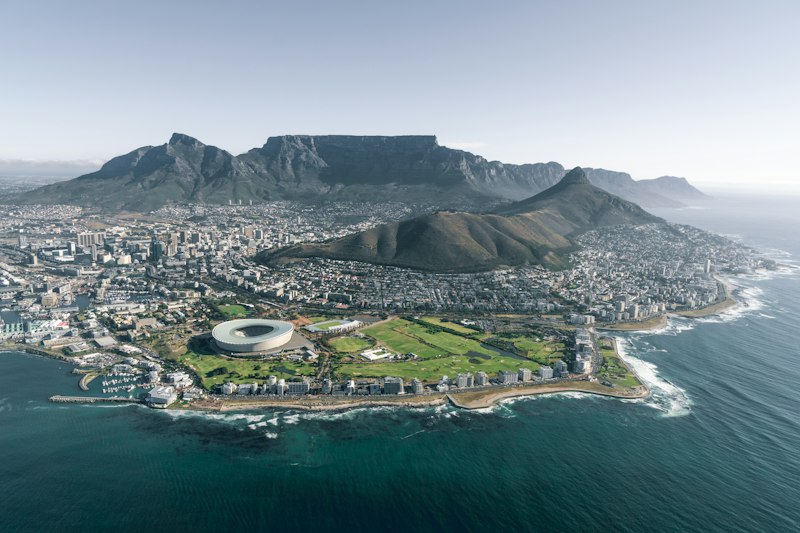
Operation Prosper began on 1 April with approximately 2,200 SANDF soldiers deploying to gang hotspots across five provinces, including the Cape Flats in Cape Town. Within the first week, shootings have been reported in Mitchells Plain, Manenberg, Lotus River, Delft, and Elsies River. Residents told eNCA that attacks often resume shortly after soldiers leave an area, suggesting that patrols alone do not provide sustained deterrence.
The City of Cape Town issued a statement on 6 April welcoming the deployment and pledging municipal support, including better street lighting and CCTV expansion in affected areas.
Why it matters
Twenty-three people were murdered in 11 days across the Cape Flats before the army arrived. The deployment was authorised by President Cyril Ramaphosa during his State of the Nation Address in February, following years of community demands for intervention. Whether military force can suppress entrenched gang networks is the question the next 12 months will answer.
The case for the deployment
Daily Maverick reported that residents in Beacon Valley, Tafelsig, and other areas expressed relief at seeing soldiers on their streets. A grandmother in Beacon Valley told the publication she had not stepped beyond her gate in months until the army arrived. The visible military presence has disrupted the freedom with which armed gang members previously moved through residential areas during daylight hours.
The SAPS and SANDF have conducted joint raids, arresting four suspects in Gqeberha and seizing illegal firearms in Cape Town during the first week of operations.
The case for scepticism
The Weekend Argus reported that military deployments to the Cape Flats in 2019 and previous years produced temporary reductions in violence that reversed once soldiers withdrew. Criminologists cited by IOL argue that gangs derive their power from the drug trade, poverty, and a lack of economic opportunity — none of which a 12-month military operation addresses.
The Democratic Alliance has called for Operation Prosper to publish clear metrics: arrest rates, firearm seizures, and murder statistics compared to the same period last year. Without public accountability, the DA argues, the deployment risks becoming a political gesture rather than a crime-fighting strategy.
What happens next
Operation Prosper is authorised through 31 March 2027. The SAPS is expected to publish quarterly crime statistics that will provide the first measurable assessment of the operation’s impact. Community organisations in Mitchells Plain and Manenberg have called for parallel investment in youth diversion programmes and drug rehabilitation facilities, arguing that enforcement without prevention repeats the cycle.