
What happened
WTI crude hit $111.54 per barrel on Friday. Brent traded at $109.03. Both benchmarks have risen more than 50% since the US and Israel launched strikes on Iran on 28 February.
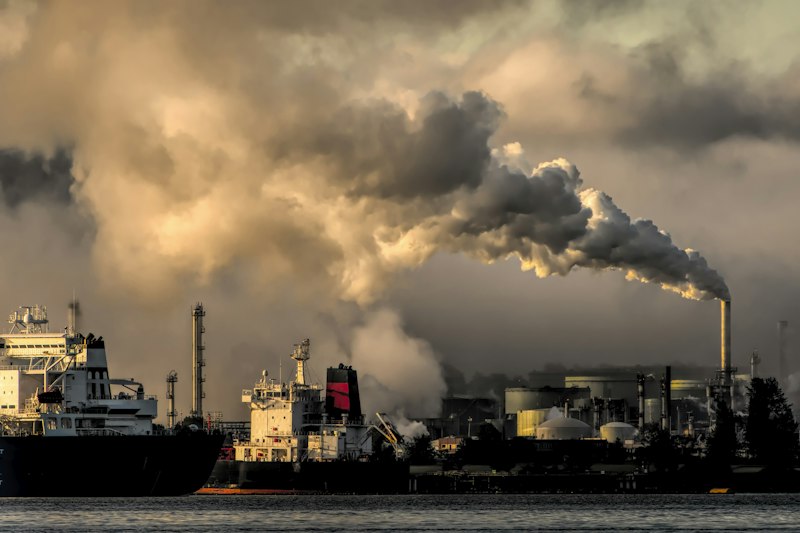
Iran closed the Strait of Hormuz in retaliation. The strait normally carries roughly 20 million barrels of oil per day, about 20% of global seaborne oil trade. Shipping traffic has dropped by 90 to 95%.
Why it matters: The IEA called this “the largest supply disruption in the history of the global oil market.” The economic consequences are spreading across every major economy.
The numbers
Brent crude surged from $72.48 on 28 February to a peak of $126 per barrel in March, a rise of over 70% in one month. Prices have since pulled back but remain above $100.
US petrol prices hit $4 per gallon by 31 March, a 30% increase since the conflict began. Regional oil production has dropped by at least 10 million barrels per day.
QatarEnergy declared force majeure on all LNG exports. Asian LNG spot prices increased over 140%. The European gas benchmark nearly doubled to over EUR 60 per megawatt hour.
Market fallout
South Korea’s KOSPI suffered a 12% single-day crash, its worst since 2008. Pakistan’s KSE 100 lost 9.57%. The US 10-year bond yield jumped to 4.46%.
The 30-year US mortgage rate climbed to 6.38%. Iran’s economy is expected to shrink by 10%. UK inflation is projected to breach 5% this year.
What happens next
IEA head Fatih Birol warned that “April will be much worse than March.” The IEA is considering further releases of strategic petroleum reserves, though previous releases have failed to meaningfully suppress prices.
President Trump has issued a Monday deadline for Iran to fully reopen the strait. If the closure persists through summer, the IEA projects high risks of technical recession in Europe. An estimated $25 billion is needed to repair damaged Gulf infrastructure.